
In a cushy and comfortable college town like San Luis Obispo, well-trodden bars provide a brief respite for those traveling through or for aged and experienced individuals, both of whom seek a comforting atmosphere and fine drinks.
A few establishments in San Luis Obispo can provide a watering hole during mid-week afternoons in addition to the busy student-dominated Thursday nights.
On a Tuesday afternoon, The Mark Bar and Grill’s colorful exterior shone bright on the western edge of downtown while a relatively small crowd inhabited the business.
Inside sat two regulars, Tom and Judy, who have enjoyed San Luis Obispo’s nightlife since 2008. They traveled from Pappy McGregor’s to Creeky Tiki, and as each bar permanently closed over the decades, they found a new home, eventually landing at The Mark.
“So, to me, it became a place to belong, a place to have friends and it really helped me feel settled,” Tom said. “We make it a habit to go to lunch. It is kind of like family, some of the people here call us mom and pop.”
Tom and Judy see The Mark as a key part of their lives to find an escape from the rigor of adult life. In general, the bars in San Luis Obispo represent a haven for all ages. While alcohol sales provide the main business behind bars, these third spaces also promote stimulating conversations, discoveries and connection.
“We have some great conversations. We have friends we meet here that work at Cal Poly. You find different people in this community that talk about different things,” Tom said. “It’s healthy. They just happen to serve alcohol.”
Every bar has a rapport between its patrons and employees, particularly with the bartenders. These relationships are instrumental to building the foundation for healthy conversations and a long-lasting bonds.
In this case, Oakley, a 24-year-old bartender at The Mark, finds comfort in learning about her customers’ lives. Serving them drinks is only a part of the job.
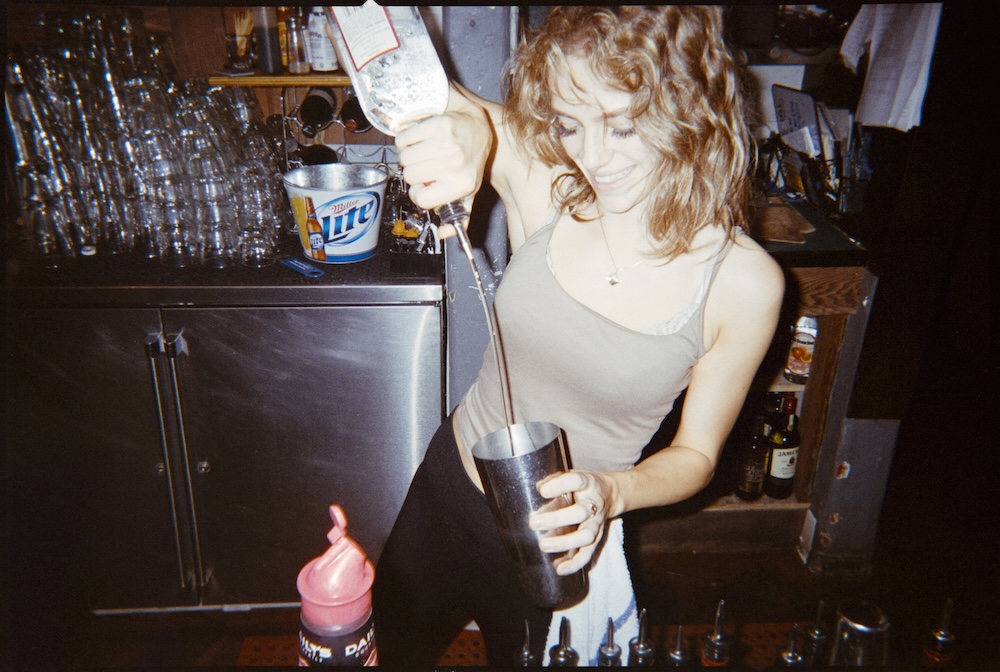
In her two-and-a-half years of bartending, Oakley seems to have noticed similarities and differences among the different groups at the bar. She notes that the local crowd, a little bit older, are more reserved and stick to each other’s company, whereas the student crowd is more keen to introduce themselves to strangers.
As bartending is a very public-facing job, they often function as an all-seeing eye. According to Oakley, the newer crowd that comes in, usually around spring time, seem to be more introverted, opting to stand in the corner and use their phones instead of interacting with others.
“With the younger crowd, it seems like a protective barrier,” Oakley said. “It has a lot to do with social media, but mostly the reels and the short-form content where people have a 30-second attention span, and they cannot really focus on multiple things at once.”
The reclusive behavior seems to break the connection between bar staff and younger patrons, which could otherwise develop into routine or friendship.
Regulars brighten Oakley’s day, so much so that she gets concerned when they don’t show up at their usual time. The connection between an employee and customer is unique to serving jobs but is pivotal in bartending. The whole aspect of the job requires bartenders to be social creatures, and have quick service skills and the ability to read a room.
In an age of increasing technological inventions that encourage disconnection, places like The Mark serve as the last bastion for partying, dancing and socializing.
However, not all bars require a lively party atmosphere to be successful. The relatively small, hole-in-the-wall bar, Black Sheep Bar and Grill, makes its home next to a bespoke cigar shop and down the street from the hustle and bustle of the concentrated strip of downtown bars.
Black Sheep fosters the same important patron-bartener relationship as any bar, and its size may even help. Modeled after a traditional pub with row seating, a full length bar and outdoor space, Black Sheep’s design requires bartenders to form meaningful connections with their regulars.
Nicole, a 24-year veteran of the establishment, knows nearly every single person and has observed the growth of intimate relationships as people come in and out. She sees people form friendships and even relationships where they eventually bring their kids in, which is a gratifying part of her job.
“I would definitely say it is a community within a community,” Nicole said.
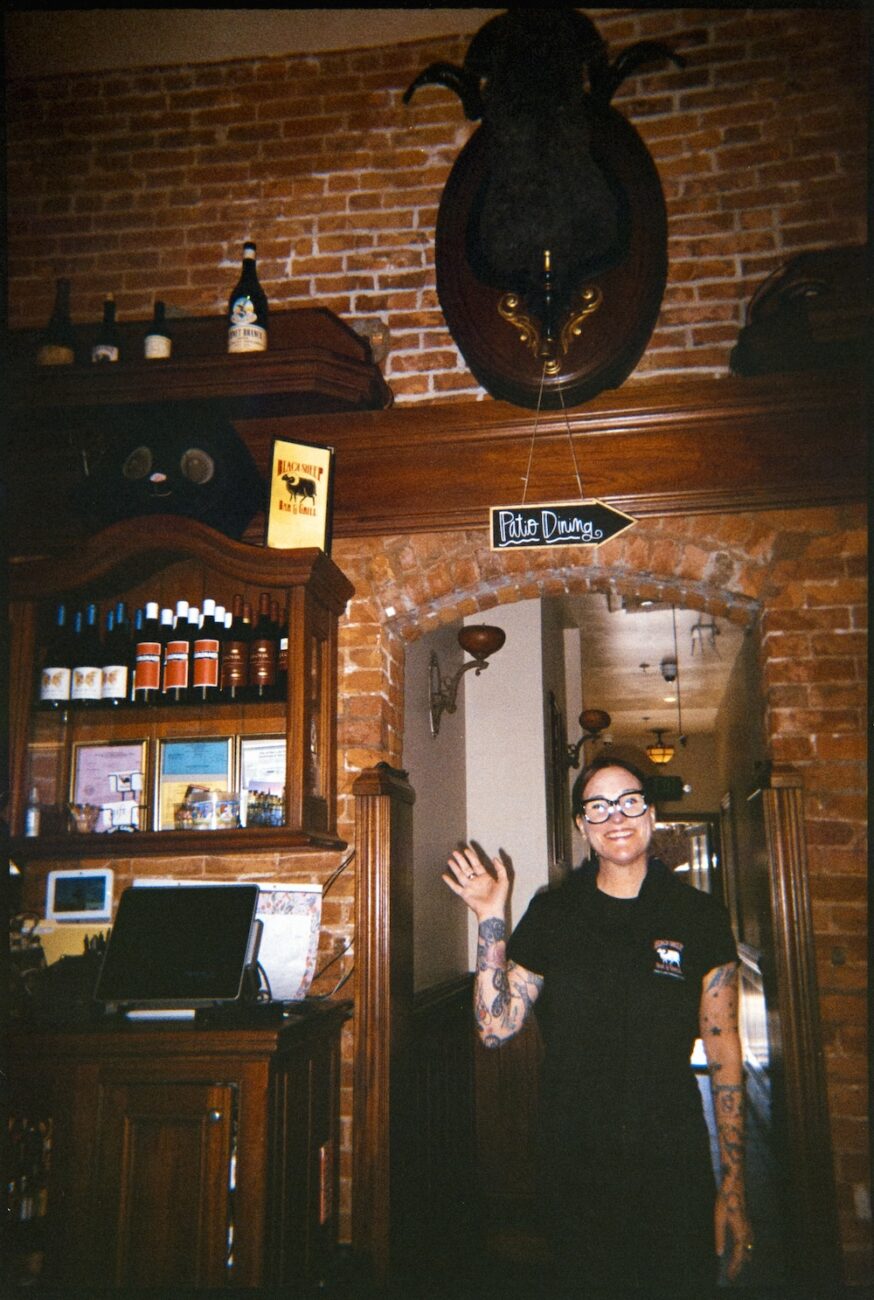
The nuances of bar life go well beyond catching up with a friend or going for a game of pool, but extend into celebrations of life and even as a place to convene after tragic moments, to which Nicole is no stranger. She is a constant presence in some customer’s lives and receives their updates, both good and bad.
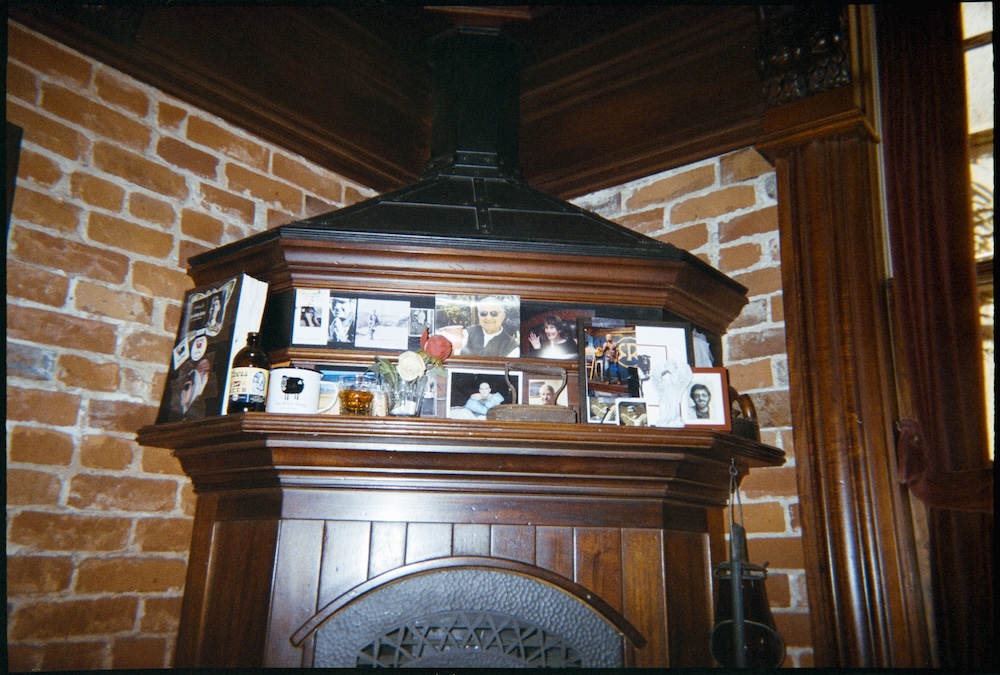
“In one week, I had two different moms come in here to let me know that their sons had passed away,” Nicole said, gesturing to a mantle that adorned a corner of the room. It was covered in mementos and photos, honoring the legacy of late regulars and co-workers of Black Sheep.
Nicole understands customers’ need to step away or take a break from social interaction because people have limits. With the warm brick layering and inviting atmosphere, the bar was packed with catch ups and dates, even on a Tuesday afternoon.
What was initially expected to be an observation on day-drinking and light gathering turned into a discovery of community and the importance of bars serving as third spaces. The interactions between bartenders and regulars are pivotal to the sustainability of bars and allow for the businesses to remain successful. Bartenders almost become a personification of the bar, serving as a face to the name.
Despite the increase of technology use among college students, daytime customers still had the same socialization as the nighttime crowd. Regardless of the variety of ages present at the bar, it serves as a common ground to meet real humans and talk about real things that matter.
This article originally appeared in the Analog Edition of The Peak. View the full issue here.

