
Solange on intentionality, community and preservation at UCSB
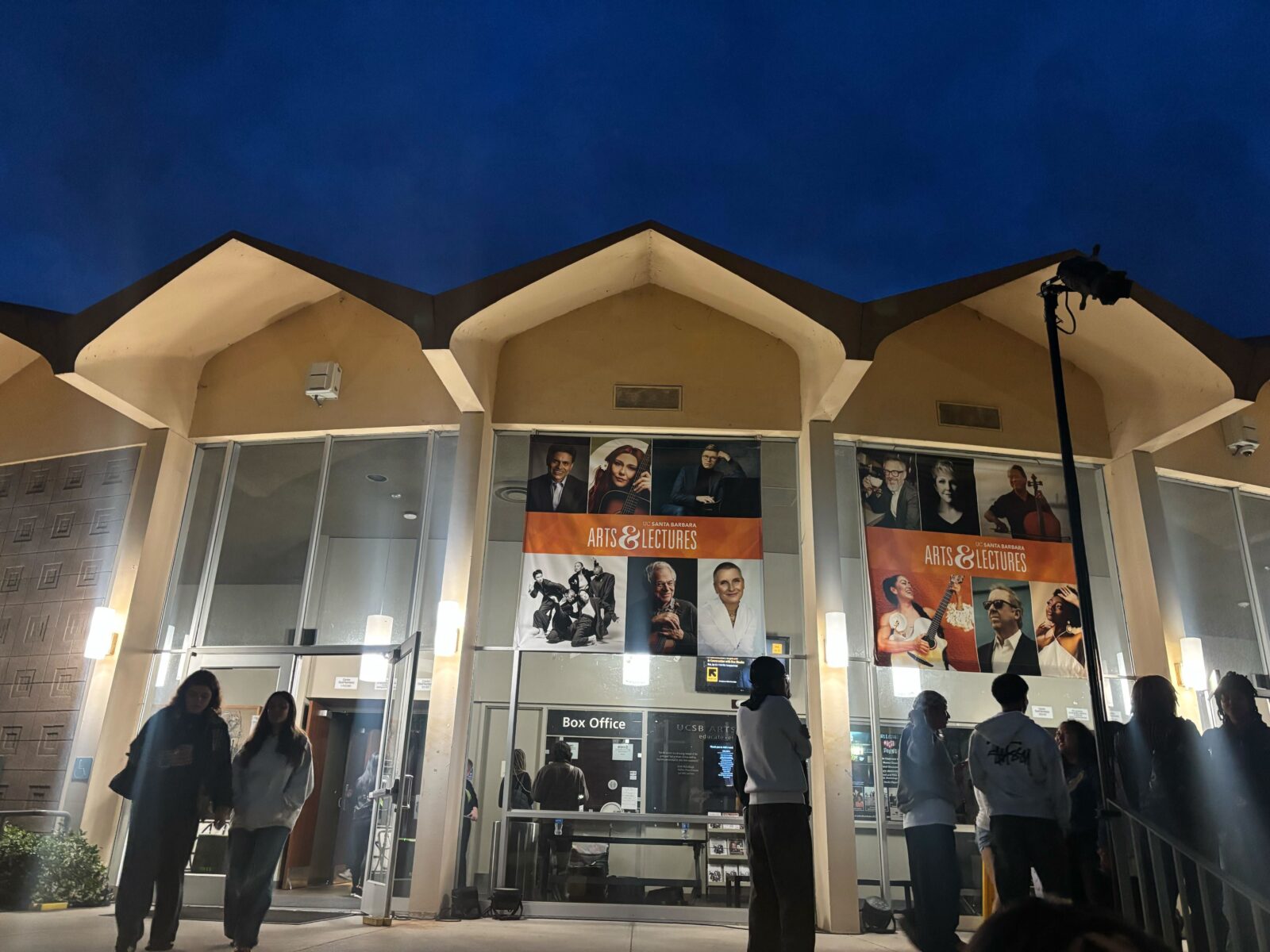
On Sunday, May 3, Solange Knowles spent an evening with students at UC Santa Barbara’s Campbell Hall to give insight into her creative process – detailing her inspirations, artistry and visions for the future of the arts and entertainment space. The 860 seat lecture hall and auditorium was transformed into a symposium of thoughts and meditations for the night.
Knowles is a multidisciplinary artist and founder of Saint Heron, a platform and cultural institution for Black artists and creatives, founded in 2013. Stirred out of Knowles frustration with the lack of spaces that felt truly representative of herself and her work, Saint Heron seeks to amplify vital voices across art, design, music, and literature.
The ethos of the collective can be described as committed towards caring for the future of art and artists by paying strong reverence towards the innately spiritual act of creating. Knowles and her team preserves the art and stories of Black creatives through art installations, live performances, zines, a physical library in New York and a digital archival library filled with videos and graphic designs.
The night was spent discussing the founding of her institution and the endeavors that Knowles and her team went through to establish this space of preservation.
“If there is a void of choice, create it,” Knowles said, opening the conversation, “If there is anger and frustration in your heart over what is not there for you, create that representation for you and others who feel the same.”
Key themes that resonated throughout the auditorium and carried on through the night were the importance of repetition, creating spaces for the preservation of storytelling and intentionality in one’s work and choices. Knowles meditated on these thoughts for nearly two hours, with her voice floating in elegant tones that delivered consistent wisdom.
Joined by Sabla Stays, Saint Heron’s graphic design lead and Diane “Shabazz” Varnie, artist relations/marketing at Saint Heron, the trio spoke about the intentionality behind the creation of various outputs of the collective.
Through their program, Eldorado Ballroom, Saint Heron has put on a series of live music performances consisting of Black artists in classical, symphonic, jazz, funk and opera works. Named after the historic Black music venue and creative art space in the Third Ward neighborhood of Houston, the series aims to promote both contemporary and historical artists through their multidisciplinary approach to storytelling in music.
Looking to build on Black art and music, in October of 2024, Knowles and the Los Angeles Philharmonic hosted a three-night event at the Walt Disney Concert Hall, with each night having a different musical focus, with the intention of showcasing the historical longevity and saliency of Black art. The first night featured classical, symphonic and opera works, the second night experimented with funk, soul and jazz and the third night paid homage to spiritual and devotional art.
Knowles’ goal in creating the Eldorado Ballroom was to uplift underrepresented artists with care, and to focus on ensuring that they are seen for what they are.
She reminded audiences that as an archivist preserving stories, one has the responsibility to transport viewers into a community and a moment in time, honoring it for what it is. The trio made it clear that communities should be seen as an ecosystem that is living, breathing and has a spirit as a method to birth new possibilities and realities.
The advice to all the creatives in the room was to slow down and come back to the importance of doing things with intention. Whether you are making a space for community or creating art, it is important to not get carried away with the strive for instant gratification, and instead opt for authenticity. It will take time for your work to get recognized.
Knowles and her peers’ talk was more than educational – it provided young creatives in the room with a roadmap to success. With foundational ideas tied into her meditations, a generation of people who were told that their ideas were too outlandish and restrained by racial and institutional barriers were able to gain a slice of her wisdom. Solange guides the future generations through her cultural knowledge, built by the generations of Black women before her, seeking to spotlight artists.

