
The sights and sounds of Legend Zeppelin
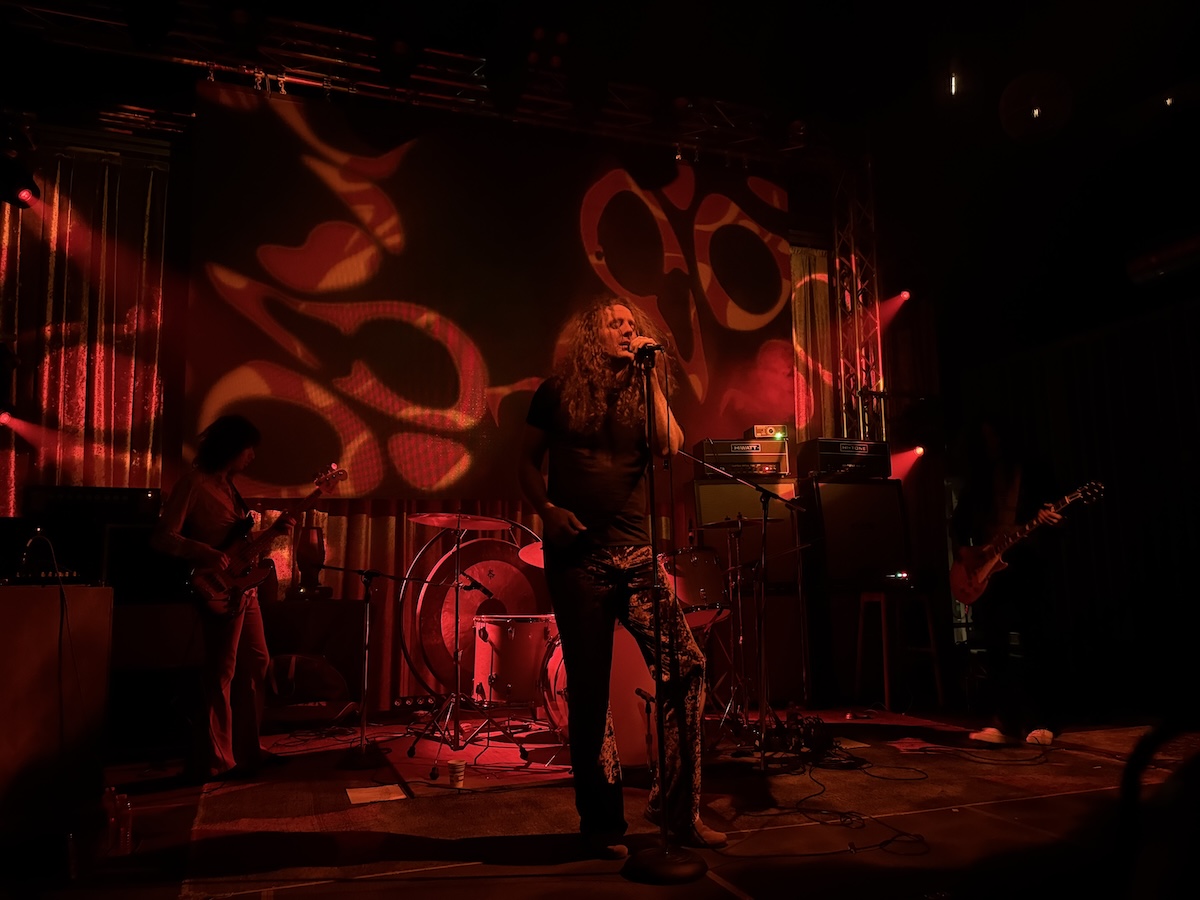
The stage is set, microphones are strategically placed, and music cases lie ajar as rose-colored lights reveal a recreated scene of Led Zeppelin 1969.
Everything is placed just right; however, it’s 2026, and a crowd rushes into SLO Brew Rock awaiting Legend Zeppelin. The cover band was ready with the determination to express a raw and genuine take on the musical styling of a Led Zeppelin performance.
Scanning the crowd, the band’s eyes graze over a landscape of leathered faces with a few young adults trickling in, looking for a glimpse of the band that once pioneered rock and roll.
Four bandmates, a singer, guitarist, bassist and drummer—prepare themselves for a show, performing on small venue stages to ensure a personal experience. The band members met through Jimmy Sakurai, a prominent guitarist and Jimmy Page impersonator who mentored the band in their early days.
After three years of playing together, Angel said they thrive in an intimate atmosphere, never knowing what comes next.
“Its definitely a raw type of energy that’s very different from most bands, which I think is very necessary for this type of music,” Angel said.
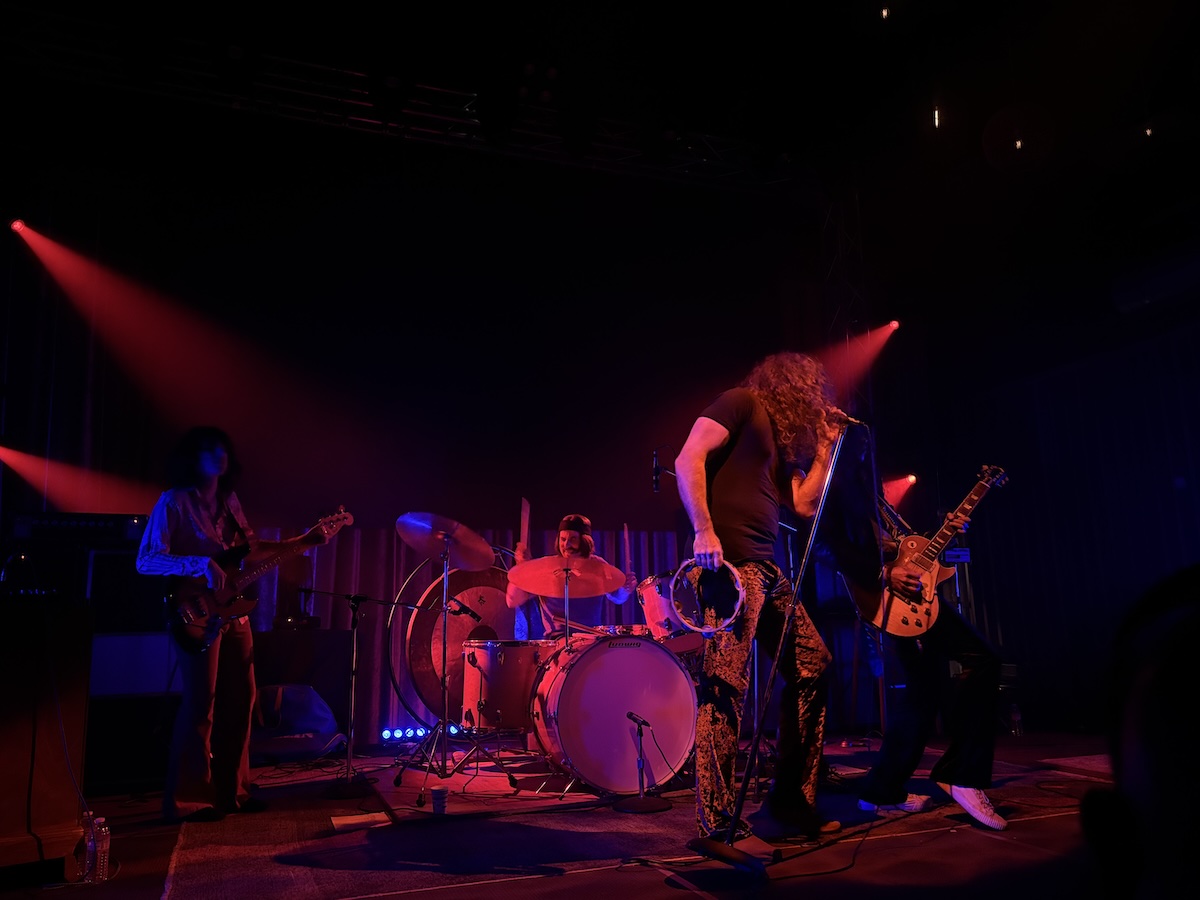
While they try to create a unique experience, the band insists on incorporating pieces of a signature Led Zeppelin show to kickstart the crowd’s energy. On stage, both Angel and Cuevas are highlighted, playing iconic organ and violin bow solos made famous by Jimmy Page and John Paul Jones.
As for Young, the lead singer feeds off the crowd’s energy. “Usually they’re into it by the first couple songs, by about the time we get to the piano solo, Alexis organ solo, it’s pretty much game on from there, everybody’s kind of hooked,” he said.
Yearning for the unrepeatable and unpredictable, Angel emphasized that playing live is not something you can learn from practice. While some might see a lack of preparation or disorganization, for this band, it’s their secret advantage.
“I can say proudly that we have never had a single rehearsal in this band,” Angel said. “It creates that unique energy, that raw energy that a lot of bands don’t have.”
Angel struggles to find the right word to describe the spontaneity of the moment. “It just loses that, good, I guess, looseness, to call it, explosiveness,” he said.
On the drums, Tarbell not only keeps time, but he listens. A consistency is held in the air, with just the slightest look between each member. From the moment they walked on stage, it was all about doing things the way they were done in 1969.
Chemistry oozes from the lens of eight-millimeter film, which they use to capture Legend Zeppelin shows, and let the music speak for itself.
“The best part of our performance is it doesn’t matter what I play, I just have to listen to anybody else in the band, and that will make me play whatever needs to be played,” Tarbell said. Similar to Led Zeppelin, band members thrive in a spontaneous atmosphere, never following an exact setlist.
“And that’s what they did. That’s what I believe they did every night on stage. And I think that’s what we do better than anybody else in the whole world,” said Tarbell.
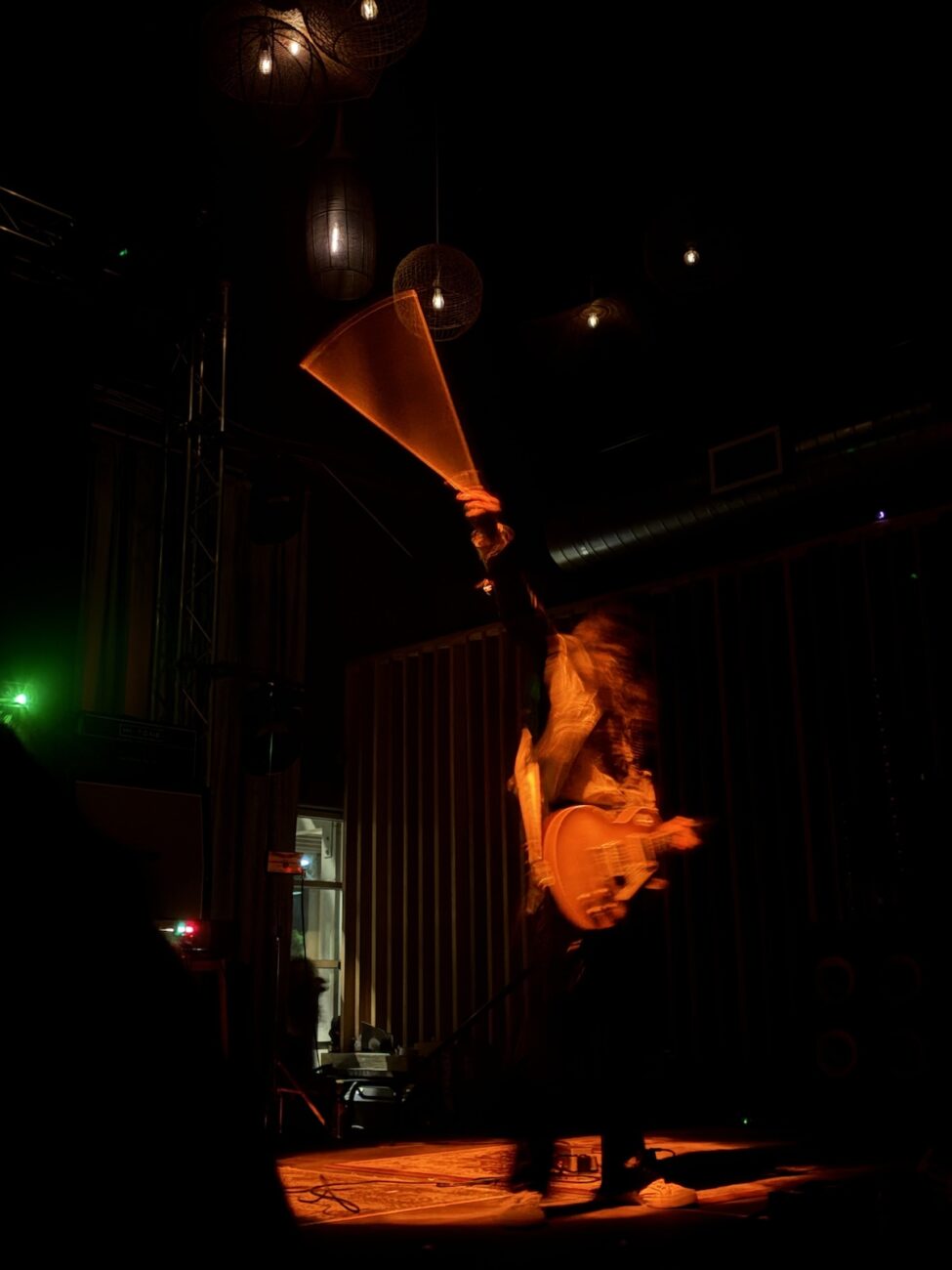
In mastering the art of time travel, guitarist Josh Cuevas found a particular interest in the details behind 1969-inspired clothing. Handmade pieces seen in every Legend Zeppelin performance come alive in the form of tight velvet pants and fitted leather jackets, each one an echo of an era worth visiting. To get these articles just right, Cuevas collaborates with artists from San Diego all the way to China to make his vision come alive.
“I’ve learned a lot of different things about different fabrics and different cuts of things and how clothes lay,” he said. “You only have pictures to work off of a lot of the time. It’s a lot of money. But it’s cool getting all the stuff made like, extreme cosplay.”
Going into the Pacific Northwest leg of the tour, Tarbell says they hold onto the idea that nothing lasts forever. It’s a philosophy they have carried from the moment they came together, taking in every moment and giving their all to each performance.
“I think that’s the cool thing about the project, it’s meant to be a finite thing that we’re only going to do for, you know, half a decade, or whatever it is, and then it’s gone,” Tarbell said. “See it now or miss it forever.”

