
This is a cross-published piece with Mustang News, more information can be found here.
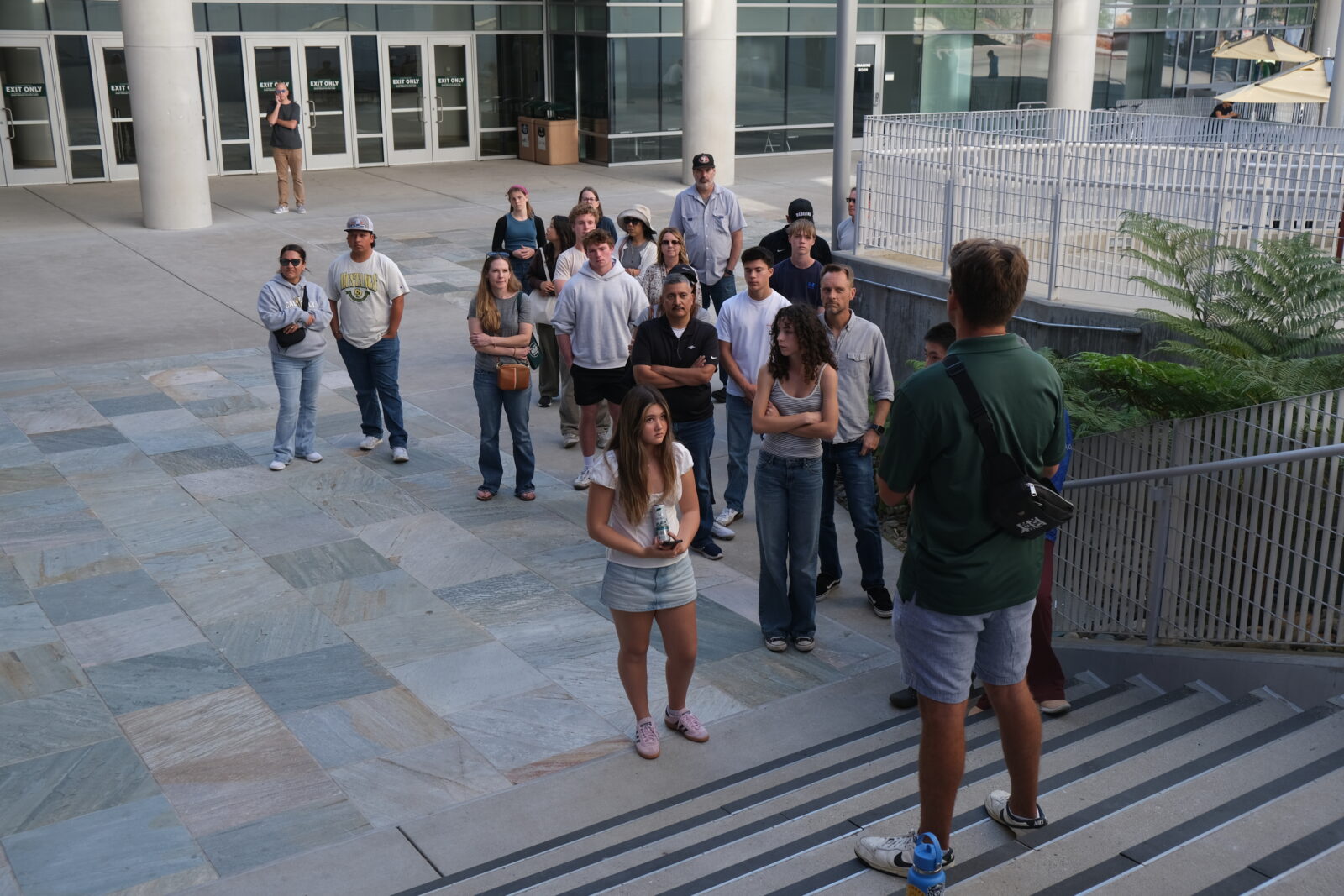
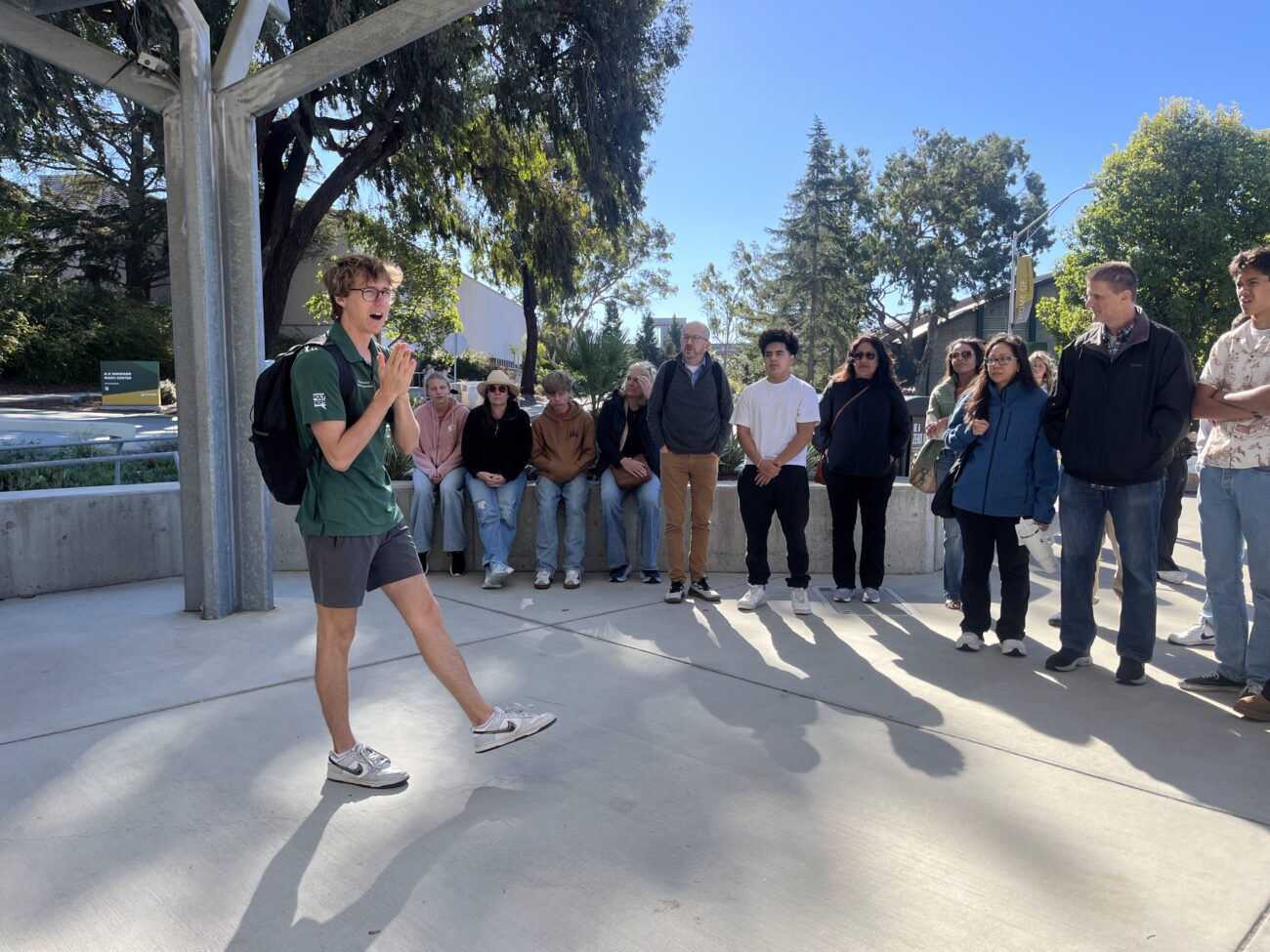
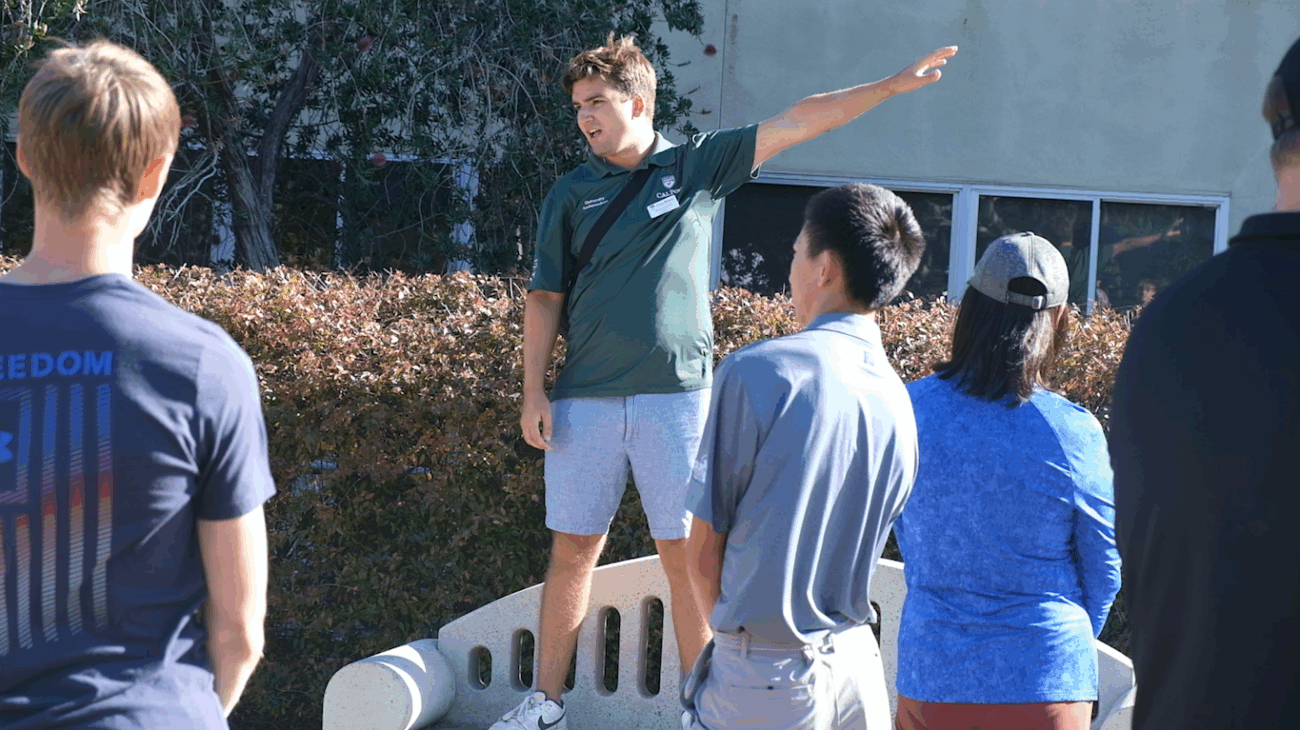
For more than 40 years, Cal Poly’s Poly Reps have volunteered their time to represent the university, leading campus tours, assisting with admissions events and welcoming prospective students to campus.
Now, for the first time, Poly Reps are getting paid for their work.
The change marks a historic shift for the student organization, which has transitioned from a completely volunteer system to a paid hourly model beginning this academic year.
Poly Reps Advisor Mandy Blackburn said the compensation discussion began with student leaders.
“Some of the things that they had mentioned was compensation,” Blackburn said. “That was a huge topic from our president and from our executive board at the time.”
After many years of conversations, research and advocacy, the organization implemented a one-year grant-funded model before transitioning to an hourly pay. Under the previous system, each member received a quarterly scholarship of $500 for general members and $600 for executive board members as the university worked to establish a recurring budget for the future.
“We were on a volunteer system for the first 39 years of Poly Reps’ history,” Poly Reps President Adalyn Lily said. They were then told that they’d switch to a fully paid model, with hourly wages and all the accompanying benefits. “It was a bit of a surprise, but it’s so nice to be able to be paid for all of our hard work.”
According to Blackburn, the new pay model is entirely funded from the Admissions Department’s existing budget.
“We had to make sacrifices in other areas of the budget,” Blackburn said. “But leadership was able to pull funding from other locations within the department to create a recurring fund for Poly Reps to be paid on an annual basis.”
Blackburn said the funding demonstrates how much the department values Poly Reps’ contributions to recruitment and campus life. As they become paid employees, Poly Reps members say the core of the program— authenticity and connection — remains the same.
“That is something that all of us value so much in our tours,” Lily said. “Being able to tell whatever stories we want, tell whatever facts we want, answer questions honestly. Our tours are completely unscripted and nothing about that has changed.”
Blackburn said this flexibility is central to the organization’s success. Student tour guides are trained on university facts but encouraged to personalize their tours based on their own experiences, which allows each visitor to hear a unique perspective on Cal Poly.
The new pay structure has also made the program more inclusive by converting volunteer positions into paid student assistant roles. The organization hopes to attract a broader range of applicants, including students who rely on part-time work to afford college.
“I definitely think the paid model is going to open doors for anybody to join Poly Reps,” Lily said. “Our Poly Reps are now eligible for work study, which is super exciting. A lot of people don’t have that time to volunteer, so now they can give tours and make money by doing it.”
Poly Reps are now classified as student assistants and are limited to 20 hours per week, including any other on-campus jobs.
While many welcomed the pay change, some members are worried about its potential effect on the organization’s sense of community.
Junior animal science major Austin Tinsley has been a Poly Rep since his freshman year. He said his concerns quickly faded once the new system began.
“Are we going to be less of a community and more of just coworkers? That was a huge concern,” Tinsley said. “But honestly, I haven’t felt too much of a difference. People are still really passionate about the organization, about each other, and about Cal Poly.”
Poly Reps will continue their long-standing tradition of student-led training and onboarding. Every year, members help lead presentations, mentor new recruits and design tours. Blackburn said advisors still assist with logistics and safety, but leadership remains largely student-led.
“The students do such a fantastic job of onboarding and training,” Blackburn said. “They organize the training presentations, mentor new members, and research updates for our tour book. They really run the organization.”
The number of Poly Reps on campus is expected to remain consistent despite the pay change. Each fall, the group averages around 40 members, expanding to 55-60 by spring quarter as new members join and seniors graduate.
The organization’s goal is to maintain that size to meet campus demand for tours and admissions events, according to Blackburn. The shift from volunteer to paid positions is about recognizing the value of student labor while keeping the heart of Poly Reps intact.
“We’re proud to make this position accessible to students from all backgrounds,” Blackburn said. “Poly Reps have such a lasting legacy on the campus experience. They deserve to be supported in return.”

