
On being original: How local bands are finding their sound
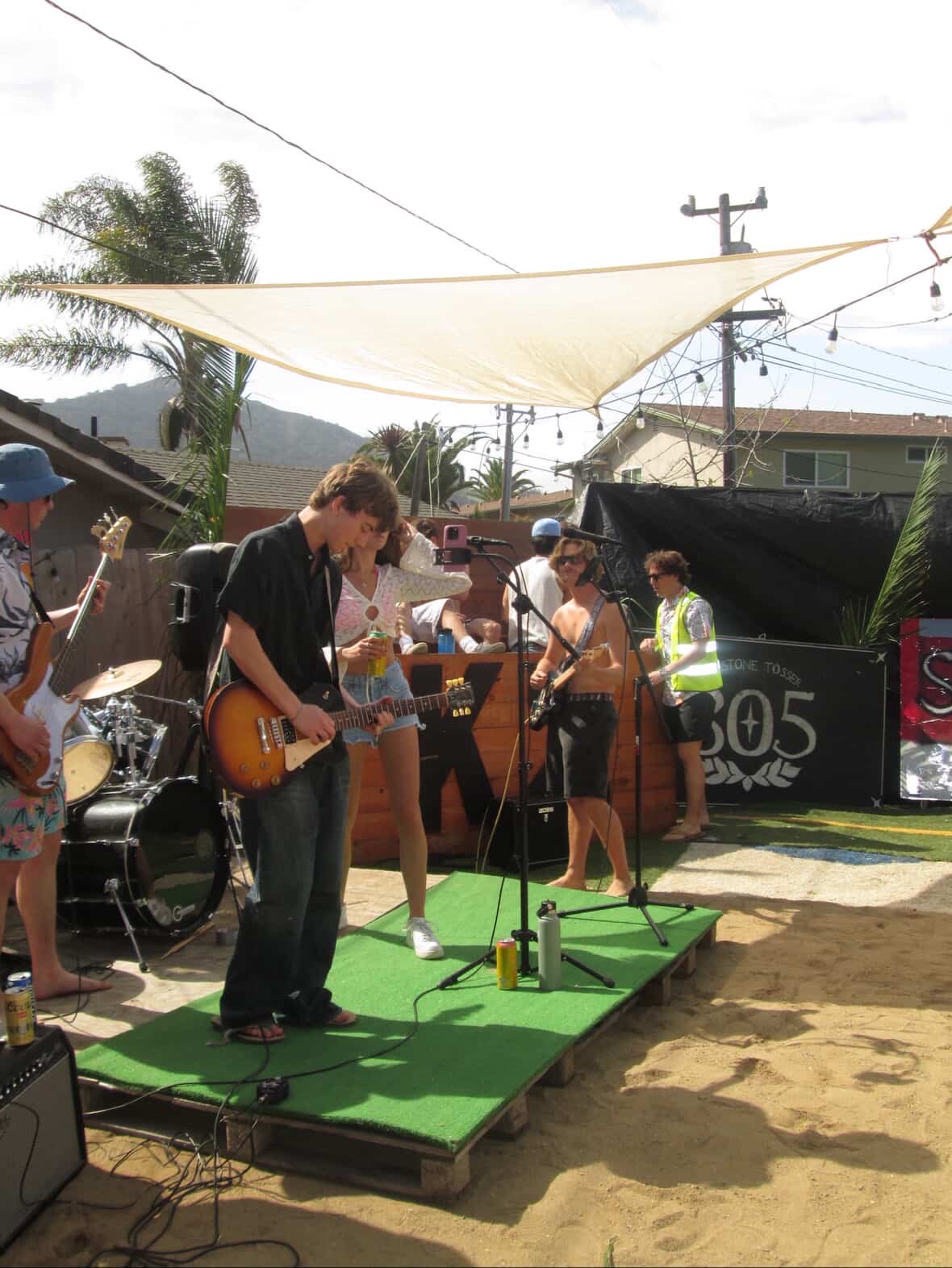
For growing musicians beginning to find their footing, carving out an original sound can be both a huge breakthrough and an intimidating move. Writing music is personal and complex, with no two artists having the same creative process.
Even household names in music started small, testing ideas and searching for a voice that would stand out. With the trial and doubt that goes into writing comes the satisfying feeling of being appreciated and known for the original art you have created.
Hazel Gerson, lead singer of local San Luis Obispo band The No Shows, has been writing songs since childhood. After meeting her other bandmates at Cal Poly, the group has grown and progressed over the years from playing covers on campus to now writing and performing original music at outside venues.
Gerson said that in their band, songwriting is a collaborative effort. Every member offers a different skill set, whether it’s riffs, lyrics, or harmonies.
“I’ll bring in my own original work, whether it’s released or unreleased, and together we’ll kind of put our own original twist on it which makes it more special and gives it a completely different sound,” Gerson said. “My guitarist will sometimes bring in a riff on guitar, and it will be a really catchy melody, and I’m like, ‘That’s so sick! I want to write something to that!’”
Gerson described a strategy that she came up with for The No Shows, where all of the bandmates listen to the guitar melody and write down anything they take away from it, from emotions that arise or colors they think of. From there, they get on the same page aesthetically to construct a story lyrically.
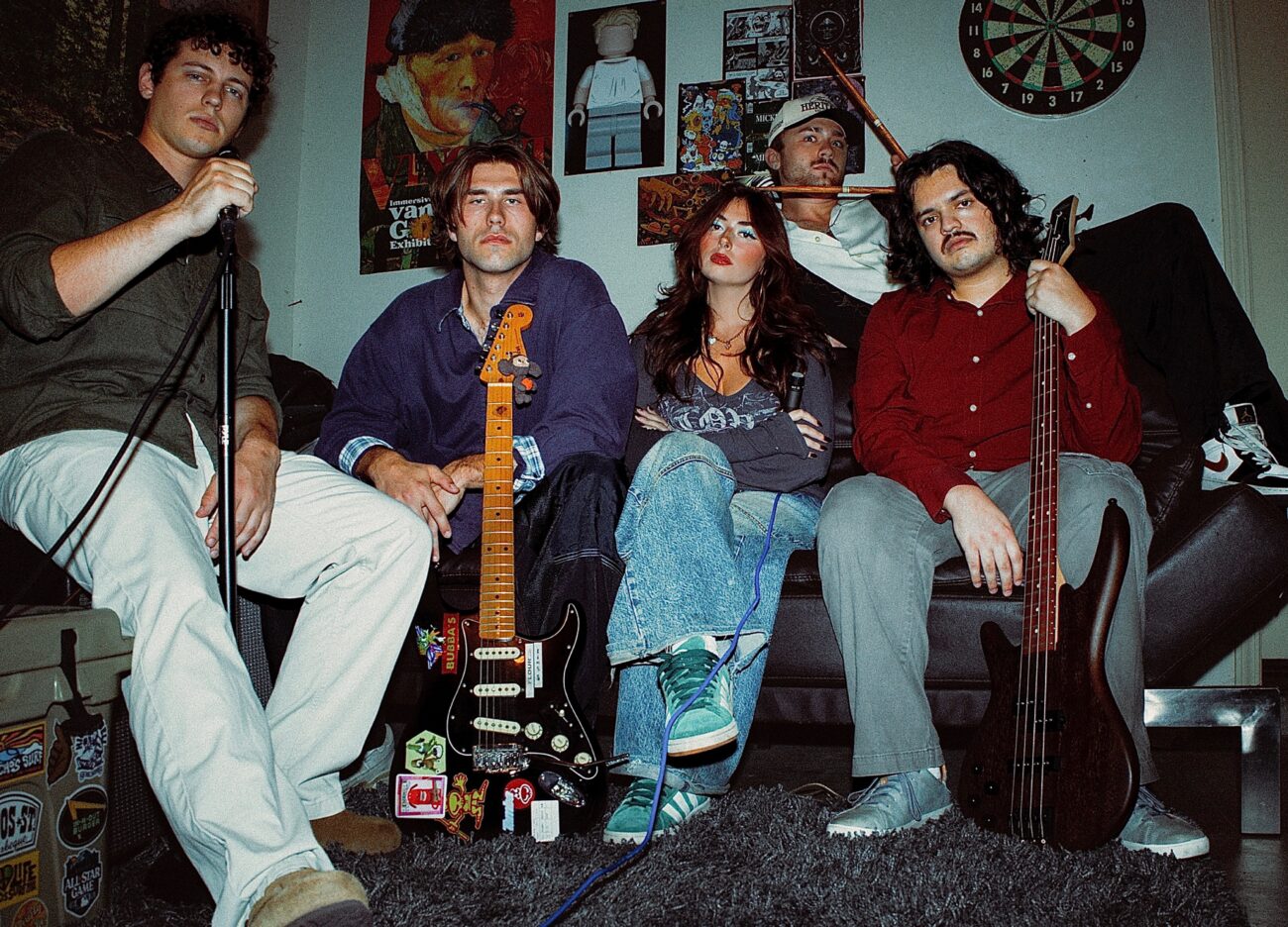
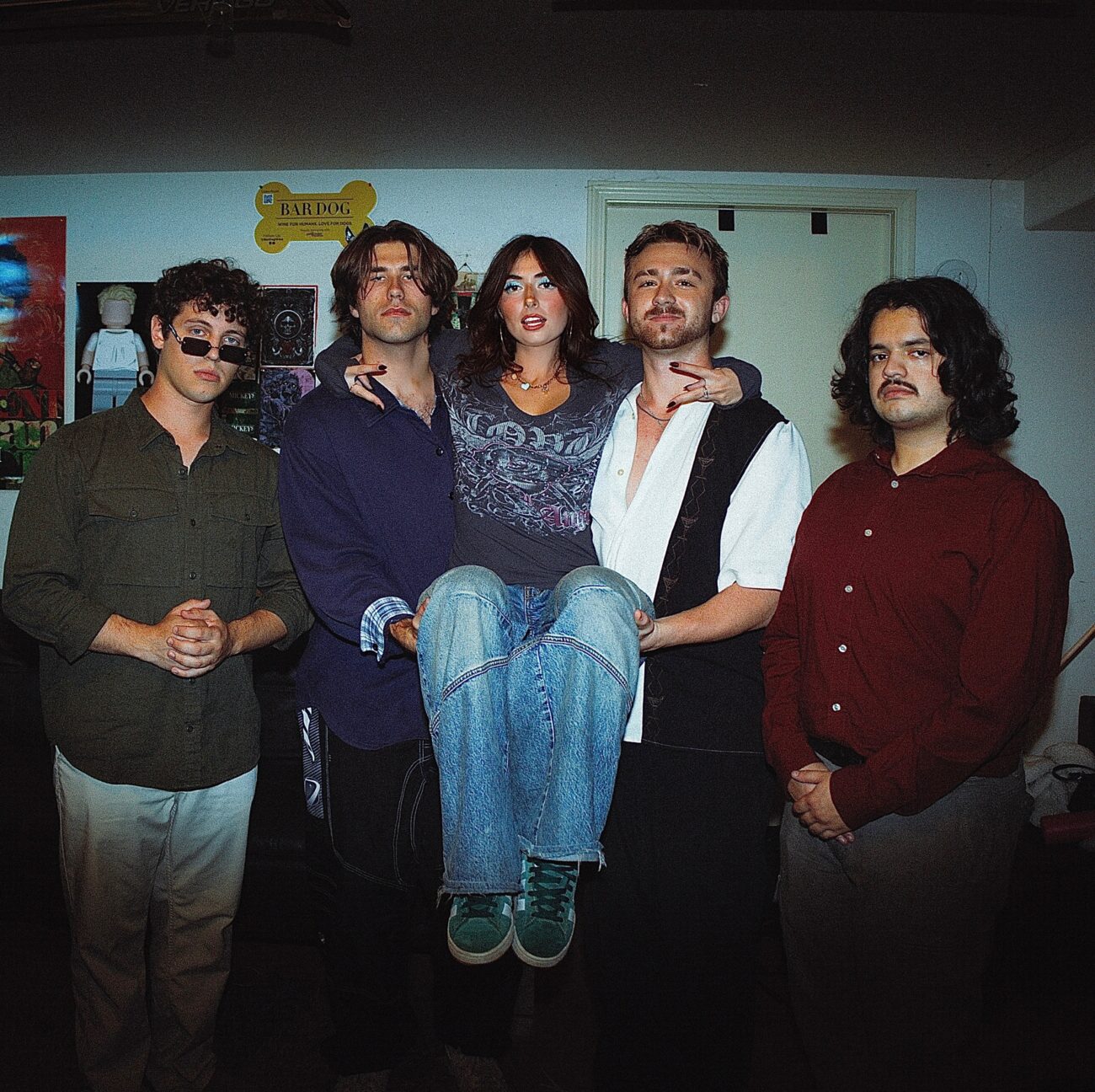
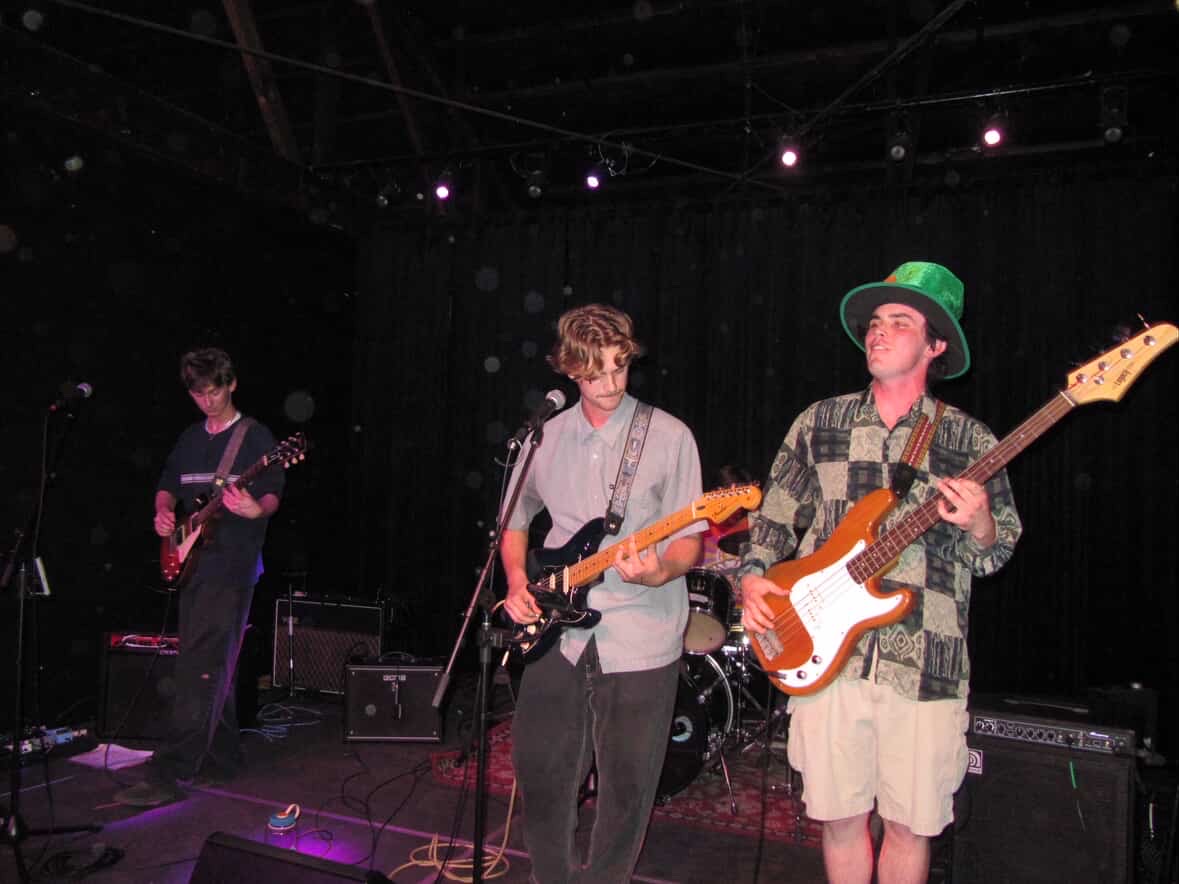
For Miles Markus, a member of the local band Penny Jar, the songwriting process takes on a different form.
“Sometimes I start with writing what’s kind of like a poem,” Markus said. “I keep cool guitar riffs in my voice memos and I’ll write something and then go back to that to add it on top.”
He stated that the whole process can take months, due to constantly wanting to change and perfect parts of the song, especially when working with a group of people.
“The stuff I like to write is slower, which makes it a little harder to play it with a band,” Markus said.
Depending on the area, different types of music can seem to dominate the local music scene, leading to the potential for bands to feel pressured to fit a certain sound.
“Every town, especially college towns, has demographics that cause a different music scene,” Gerson said. “I feel like here it’s definitely more skewed to surf rock, and we don’t really do that.”
However, for bands who fall into those genres, it can feel hard to find a niche and stand out.
“I mean, you can write all the new lyrics and stuff that you want, but it’s the sound that’s hard,” Markus said. “So I guess that’s kind of our biggest thing that we’re trying to focus on right now as a band, trying to sound different and find our own sound.”
For many bands, covering popular songs is the first move towards getting in front of an audience. While it’s a great way to start, artists recognize the trade-off between predictability and originality.
“People get excited about covers because people like to sing-along and people like to dance and people like predictability,” Gerson said, reflecting on The No Shows’ personal experience playing covers. “But it’s important to have balance, because you want to build a name for yourself and you want to be recognized for things.”
Gerson recommended that other bands try to put a creative spin on their covers to make them more their own. The No Shows often do this by adding extra harmonies to elevate the song further.
However, playing covers can sometimes also lead to comparison.
“If you’re a college band, people are always gonna compare you to what you’re covering. You’re gonna be compared, and that’s a risk you have to take,” Gerson said.
It can be intimidating to break free from covers, especially when audiences often react differently when hearing original music they haven’t heard on streaming platforms before.
Still, writing music doesn’t happen in isolation. Even as artists move beyond covers, the music they love inevitably finds its way into what they create.
“When I’m writing songs, I get a lot of inspiration from other artists I like,” Markus said, mentioning some of his own inspirations including Elliott Smith and Marcy Playground. But in an era of constant new releases, complete uniqueness can feel increasingly elusive.
“It’s hard to make something that doesn’t sound like it’s been done by anybody else,” Markus said.
Gerson explained that in the musical world, inspiration isn’t just normal — it’s needed.
“All music is inspired by other music. Even The Beatles were inspired by Chuck Berry. Even the greatest of the great were inspired by other musicians. I think it’s more about how you pay respect to your inspirations,” Gerson said.
Turning a small idea into a fully realized song takes patience, vulnerability and a willingness to push past perfectionism. The pressure for bands to deliver originals can be intense, but so is the reward: creating something that feels authentic and unmistakably their own.
“I’m more proud when we’re playing an original, because this is my sound. So if people enjoy that, then I’ve already succeeded,” Gerson said.

