
Diya Duggireddy is a journalism freshman and a Mustang Media Group cohort member. The opinions expressed in this article do not necessarily reflect those of Mustang Media Group.
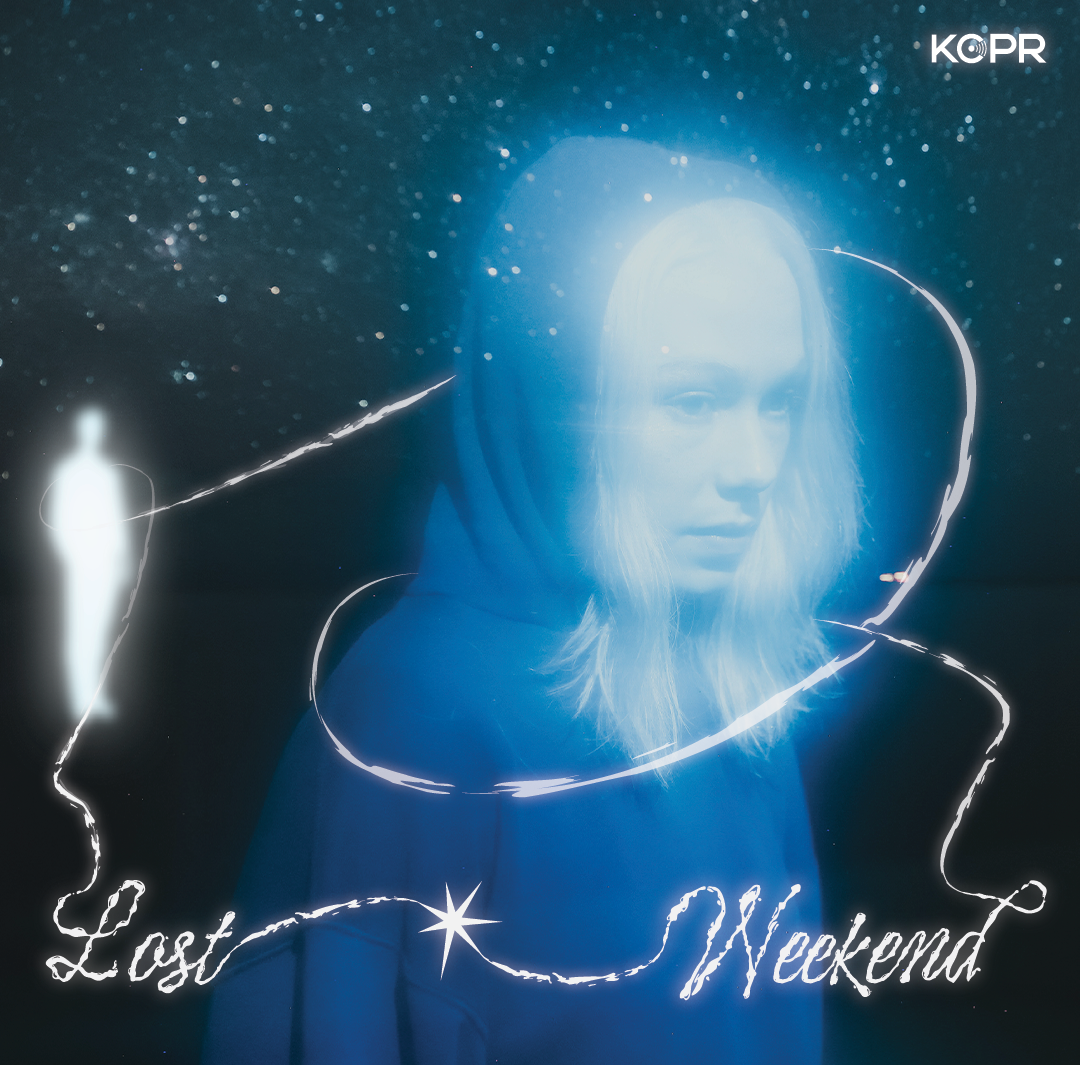
Phoebe Bridgers’ third solo studio album, “Lost Weekend,” feels like an exercise in contradiction.
Bridgers has always made music that sounds as though it exists only for herself. Her lyrics are intensely personal, sometimes so incredibly specific that they seem to belong to a world only she understands.
Her music feels like a solitary experience. Yet it is precisely this solitude that has allowed her to build a community surrounding her work. The California-based artist has risen to prominence through quiet but devastating songwriting, creating music that makes listeners feel understood by detailing experiences they may never have had themselves.
The album opens with “The Outside,” with muffled voices and distinctive production that immediately establish an atmosphere that feels both intimate and disorienting.
The song explores overlapping identities and the persistent feeling of never quite belonging anywhere. There is something distinct about the way she approaches this alienation: The experience itself feels deeply personal, almost inaccessible, yet the emotions surrounding it are universal.
We may never inhabit her particular loneliness, but we recognize the feeling of standing in a room full of people and wondering whether any of them can truly see us.
The second track, “Lost Boys,” picks up the pace with an incredibly danceable beat. Its production invites movement, almost demanding that the listener keep going, even as the lyrics quietly devastate.
There is a strange urgency to the song, as though dancing is less an act of celebration and more a means of escape. The beat carries you forward into an inescapable tunnel, where stopping to acknowledge what is happening might be worse than continuing to move.
But beneath the album’s shifting production is a striking lyrical simplicity.
“Kill Me” is saddeningly direct, its words stripped of the elaborate imagery that might otherwise soften their meaning. Bridgers recounts her experiences with a looming sense of inevitability, as though she has exhausted every possible way of explaining her pain and has finally settled for naming it.
There is no grand metaphor to hide behind, no distance between the feeling and the words used to describe it. Just desperation, stated plainly. It is almost as if Bridgers has run out of energy to make her suffering beautiful.
That simplicity makes “Lost Weekend” feel less like a collection of songs and more like a story unfolding in real time.
Across “The Governor’s Waltz” and “Bobby,” intimacy becomes another form of uncertainty. In the former, two people lie beside each other, separated by a silence neither seems willing to break. In the latter, love takes on the shape of ordinary domestic life: borrowed shirts, clothes on the floor, shared spaces. Yet even this closeness comes with a troubling dependence, an admission that existing can feel contingent on being seen by someone else. The songs seem to move between wanting to be loved and fearing what remains of you once someone finally does.
The album’s greatest tragedy is that its narrator never seems to arrive at the security she is searching for. Even when loneliness gives way to intimacy, the underlying desperation remains. The relationships change, the settings change and the production shifts, but the same question lingers: what happens when the things we want most fail to make us feel whole?
Perhaps that is what makes “Lost Weekend” so devastating. Bridgers does not seem interested in turning pain into something grand or offering a neat resolution to it. Instead, she lets the story unfold in fragments of ordinary life, in silences, in confessions too simple to disguise.
Her writing feels almost depleted, as if the metaphors have run dry and all that remains is the truth itself. And sometimes the truth is not particularly poetic. Sometimes it is simply that you are lonely, that you want someone to stay, that you do not know who you are without them.
For an artist whose music has always made isolation feel communal, “Lost Weekend” offers a particularly bleak contradiction: the more plainly Bridgers articulates her desperation, the more clearly the listener recognizes themselves in it.

