
Cal Poly’s Arab Music Ensemble embarks on a three-stop tour across southern Spain
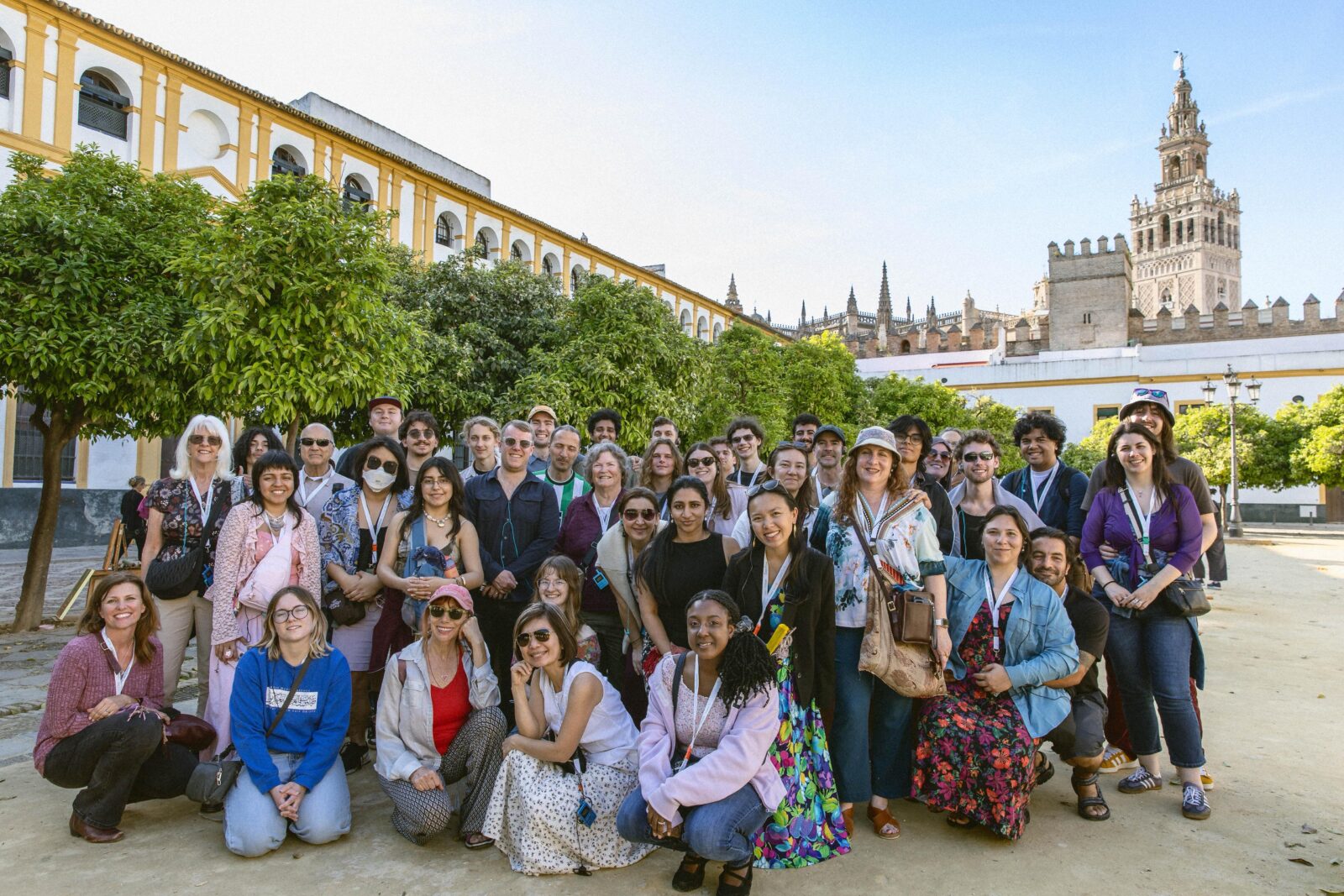
Over spring break, Cal Poly’s Arab Music Ensemble traveled to southern Spain for a three-stop tour through Andalusia, performing in Córdoba, Seville and Granada. The group of more than 30 students, alumni and community members immersed themselves in the culture and performed in cities deeply connected to the origins of their music.
Founded in 2006 and directed by Dr. Habib, the ensemble brings together roughly 40 vocalists, instrumentalists and dancers from across campus and the local community. Combining both choir and orchestra, the group performs music from the Middle East, Southwest Asia and North Africa using instruments such as the oud, qanun, nay and a range of percussion, alongside Western instruments like violin, cello and guitar. Many of the pieces they play are rooted in Muwashash, a centuries-old form of music and poetry that originated in Andalusia.
“To go back and perform the music that originates from that region and from that culture is a musicologist or ethnomusicologist’s dream,” alumni Claire MacKenzie said. “To be able to connect with the communities there was the most special part of the trip.”
MacKenzie graduated from Cal Poly in 2013, and sang with the ensemble throughout her entire college experience. She shared she “only has fond memories” with the group and was excited to accept an invitation on the trip from Dr. Habib.
The group performs locally throughout the year, and in recent years has toured California cities such as Monterey. For many members, the Spain tour marked a significant milestone.
According to MacKenzie, the “real music” on the trip happened outside of the formal concerts and out in the community. The group had a number of unofficial jam sessions in which locals were moved to dance and interact with the performances. The ensemble played anywhere and everywhere, including on the bus and in the airport.
Many members said this aspect was the highlight of the tour. Ella Kawamato, an architecture senior and three-year member of the ensemble, said the biggest difference between their audiences in San Luis Obispo and Spain was people’s willingness to dance.
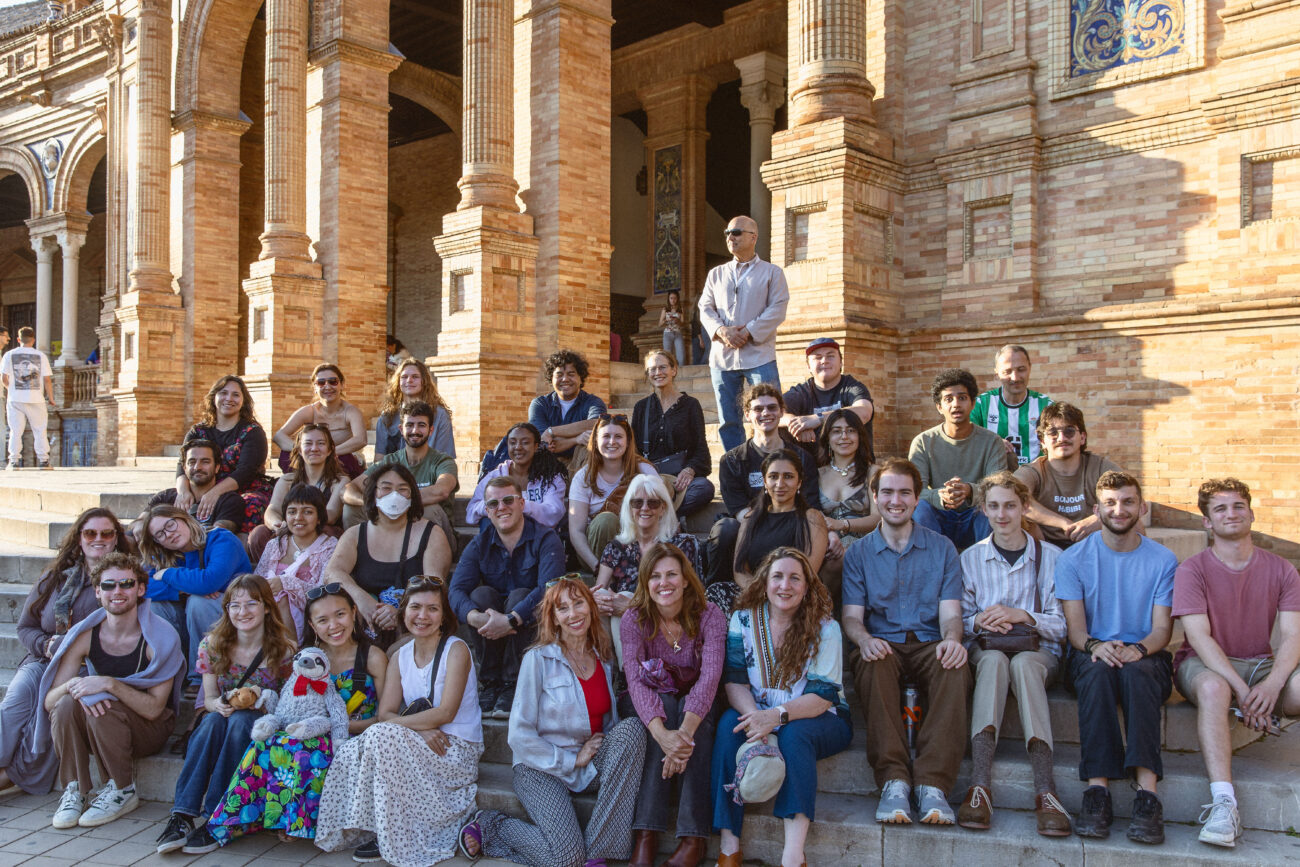
“After our performances a small group of us would go in the lobby and play as people were leaving, sort of as a surprise, and people would start dancing,” Kawamato said. “They’d dance in a very open way that I think most Americans aren’t accustomed to, I feel like that’s just part of the culture. And a lot of people in our audience were really good dancers.”
After one performance the audience members started a Dabke, a popular line dance in Arab culture, in the lobby of the venue. Audiences in Spain were much more familiar with the music, more often knowing the music and singing along.
“There were a few songs where when we announced we’d be playing them, there’d be a gasp in the audience like ‘I know that one!’” Kawamato said.
In between performances, the Ensemble would explore the cities, go on tours, try new cuisines and hand out flyers to recruit audience members.
“There was such a warm welcome, and an outpouring of interest and support from the communities,” MacKenzie said.
According to three-year ensemble member and business major Tien Nguyen, most students’ favorite place to visit was Granada. A favorite memory amongst the group was their impromptu show at a restaurant themed after the iconic Lebanese singer Fairuz.
The owner invited the ensemble to continue playing after their visit, and the group ended up performing nearly their full set again
“We essentially played a whole other concert, and people walking by on the street would stop to listen and dance,” Kawamato said.
Throughout the week, the group bonded and gained a whole new understanding for the music they perform.
“It was really great to see the history in those places and then know we’re playing that music,” Nguyen said.
Now, back in San Luis Obispo, the Arab Music Ensemble will have their annual Spring Concert at the Performing Arts Center on May 30.

