
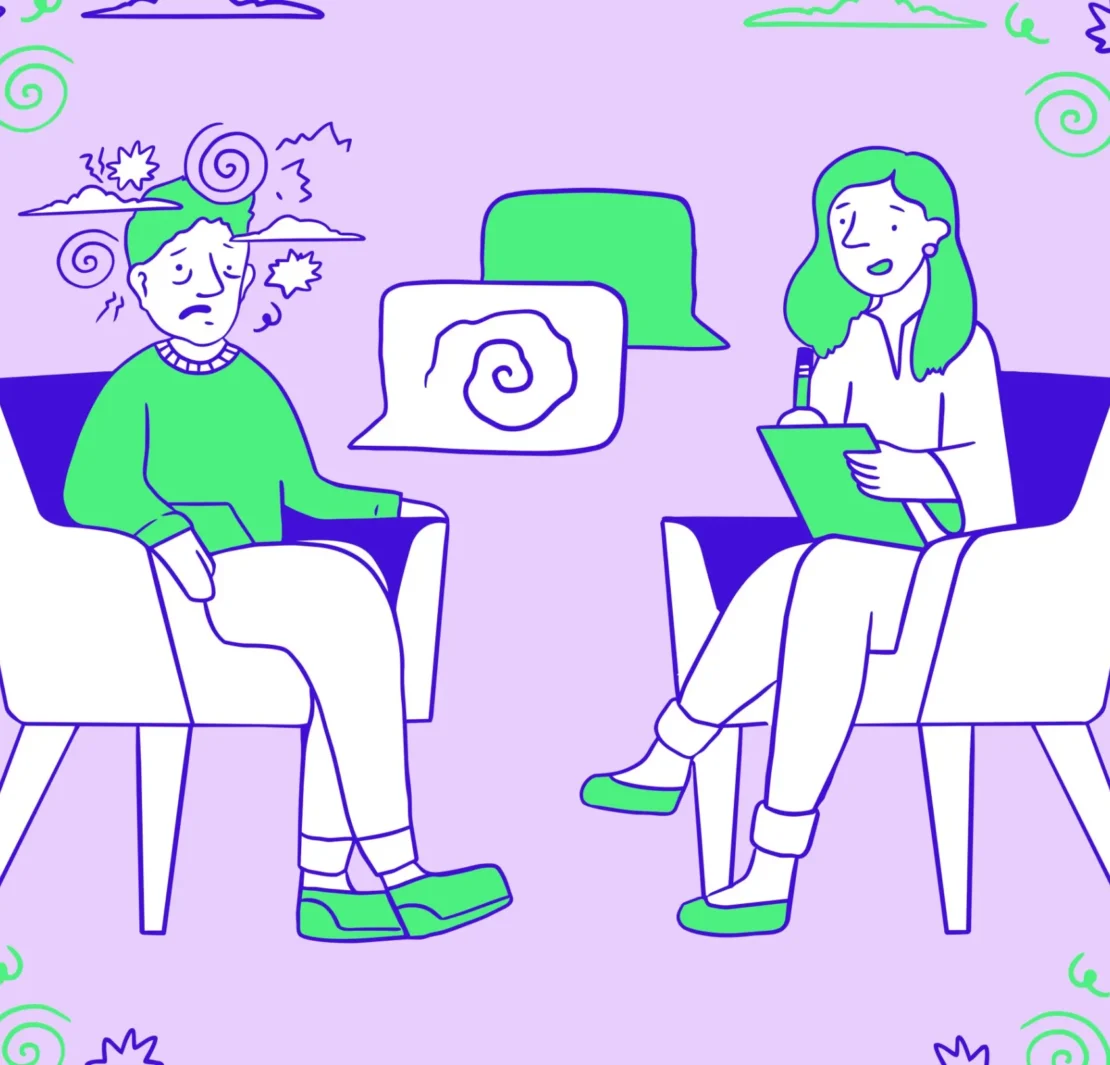
This interview originally appeared in the Burnout Issue of The Peak. View the full issue here or more stories on our page.
Burnout may start off as mental exhaustion — but chronic stress and neglecting healthy habits can trigger a domino effect of other medical problems and pains.
Campus Health & Wellbeing’s counseling and psychological services director, Andrea Lawson described burnout, explaining how burnout negatively affects your overall wellbeing. Lawson shared her favorite tips and techniques for managing stress.
Lawson leads Cal Poly’s team of mental health therapists who provide treatment, support and education to students. As the department supervisor, Lawson explains that she coordinates with campus partners and uses a health equity lens to explore how to make programs and services more sustainable. Students can visit counselors for individual and group therapy sessions, same-day urgent support and screenings to connect students with the best support.
Kaylie Wang: How would you define mental burnout, its symptoms and its causes?
Andrea Lawson: Mental health burnout is a state of emotional, physical and mental exhaustion caused by prolonged exposure to stress. It can happen when you feel overworked, undervalued or unable to meet constant pressures. Burnout doesn’t mean you’re broken or can’t do something well, it just means you are full at the moment. It means you need to take time to reset, breathe, sleep and move your body.
Textbook Burnout
Christina Maslach is a psychology professor at the University of California Berkeley. Maslach pioneered research on job burnout through developing the “gold standard” measure for burnout, the Maslach Burnout Inventory (MBI).
The MBI is still used today, as well as its adaptations of the MBI-General Survey and the MBI-GS which is used for college students. Maslach studied burnout in the 1980s and developed a measure to better understand and identify the aspects of burnout which include emotional exhaustion, depersonalization and reduced personal accomplishment.
KW: When does Campus Health & Wellbeing usually see students come in with symptoms of mental burnout?
AL: This concept isn’t one that we track officially, as there isn’t a diagnosis for burnout. But, anecdotally, students do talk about feeling burned out by changes — whether on campus, in their home lives, politically or while facing stressors beyond their control.
KW: How can mental burnout induce physical illnesses?
AL: The first thing students should know is that when your brain detects a threat, two systems kick in:
- Sympathetic. Adrenal, also known as “fight or flight” mode, boosts heart rate, blood pressure and energy availability within seconds.
- Your brain and hormone system, in turn, releases cortisol to help you mobilize fuel and stay alert.
AL: Chronic stress affects your physical health in a number of ways:
- Long‑running stress is linked with higher blood pressure and a higher risk of cardiovascular disease.
- Chronic stress suppresses antiviral defenses and promotes inflammation. In other words, people under sustained stress are more likely to catch communicable illnesses when exposed to viruses.
- Cortisol can nudge your appetite toward quick‑energy, ultra‑processed foods, which is one reason stress and weight gain sometimes occur together. Most evidence points to behavioral pathways (stress eating, poor sleep) more than cortisol alone.
- Chronic stress remodels circuits in the hippocampus, amygdala and prefrontal cortex, thereby affecting memory, mood and decision‑making.
- Stress keeps the brain in a hyper‑aroused state that can negatively impact your sleep. As a result of insufficient sleep, your stress reactivity amplifies and raises chronic‑disease risk.
- Stress can also lead to tension‑type headaches and can trigger migraines in susceptible individuals.
- Stress can also worsen symptoms in conditions like IBS (irritable bowel syndrome).
- Finally, stress can trigger eczema (atopic dermatitis) flare-ups.
KW: What are your tips for how busy college students can “treat” or “cure” burnout?
AL: Take just a few minutes a day to do a self-reflection, to acknowledge what and how you’re feeling, and whether you have control over your stressors. Even if nothing can change, talking with a friend, loved one, RA, faculty member or professional counselor can be helpful in managing burnout.
Prioritize those building blocks of wellbeing, sleep, nutrition and movement. Aim for 7 to 9 hours of sleep per night. And if you miss a night of good sleep, try to make up for it later on with a nap or prioritizing sleep the next night. Fuel your body for what you want it to do. Aim for three meals plus snacks each day from all the food groups. Keep in mind that cognition, your capacity to think, is impacted by your nutrition just as much as your physical body is.
KW: What are some tips for how burnt-out students can find the energy to take care of their physical wellbeing?
AL: Acknowledge your feelings. Find space to pause and reconnect with nature, friends and other valued connections. Talk to loved ones about what’s going on, even if you can’t change it, talking about it is helpful. Consider your purpose. Reconnect with your why and what long-term goals matter to you to tap back into motivation.
Some campus resources that can support students navigating mental health include PULSE’s weekly programs, confidential drop-ins with a counselor with Let’s Talk and the website Made for Mustangs filled with resources.
Students struggling with burnout-induced illness can schedule a visit with Health Services by calling (805-756-1211) or scheduling online. Students can visit counselors for individual and group therapy sessions, same-day urgent support and screenings to connect students with the best support.
KW: What are your favorite strategies that you use for navigating burnout?
AL: I love paddling in the ocean, connecting with friends, making good food and occasionally binge watching TV!

