Ayla Boose is a content writer and disc jockey for KCPR. The opinions expressed in this article do not necessarily reflect those of Mustang Media Group.
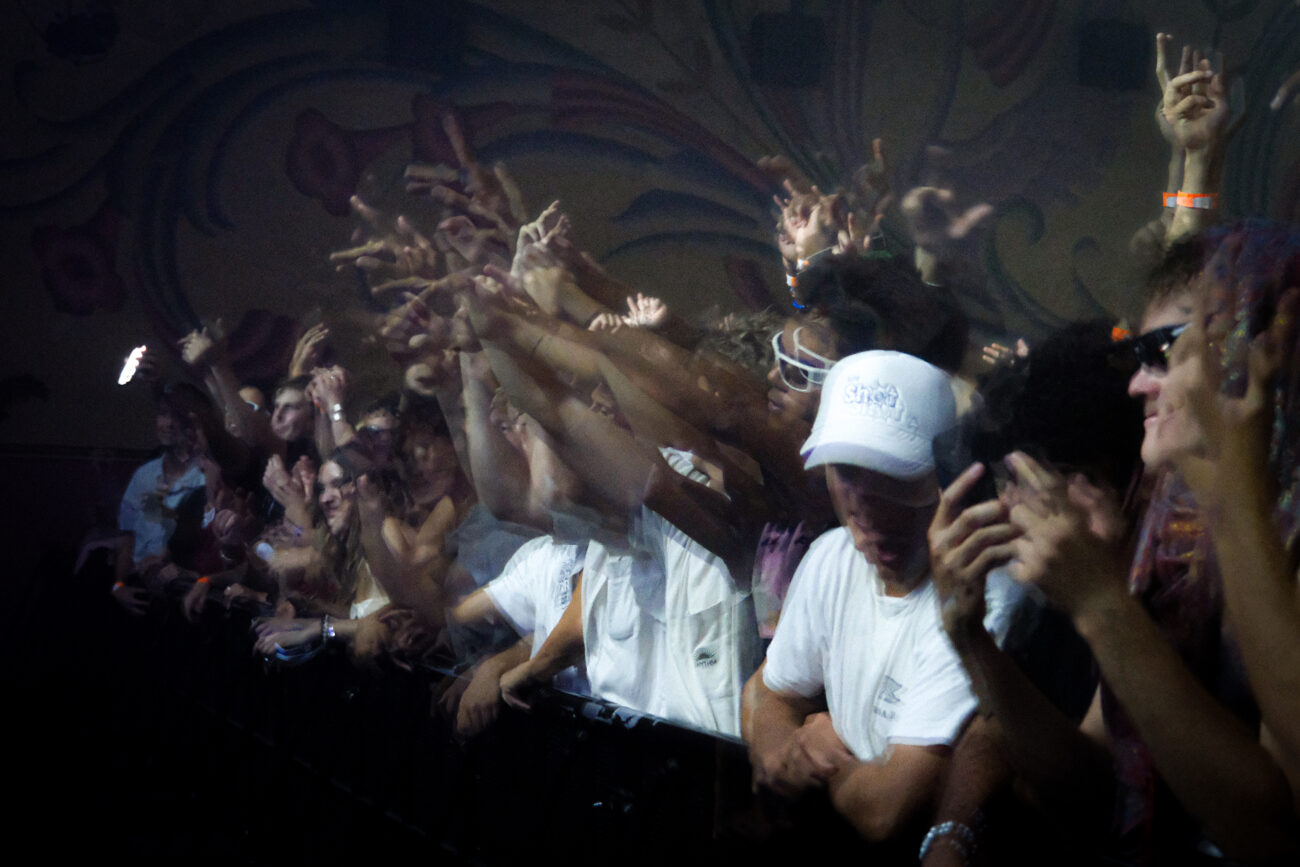
On Sept. 26, I left the Fremont Theatre with my ears ringing and heartbeat mimicking the bassline of Westend’s high-energy electromagnetic melodies. Walking outside, I was greeted by a very much-needed gust of cold air, contrasting the steamy haze that overtook the crowd during the four hours of music.
I might have left with minor hearing damage, but I think the way my lips twitched upward into a smile told me all I needed to know about the event.
Like the many other times I’ve walked into the Fremont, the room was buzzing. Chatter scattered throughout the room to the soundtrack of a deep, heavy bassline and zips of pulsing treble.
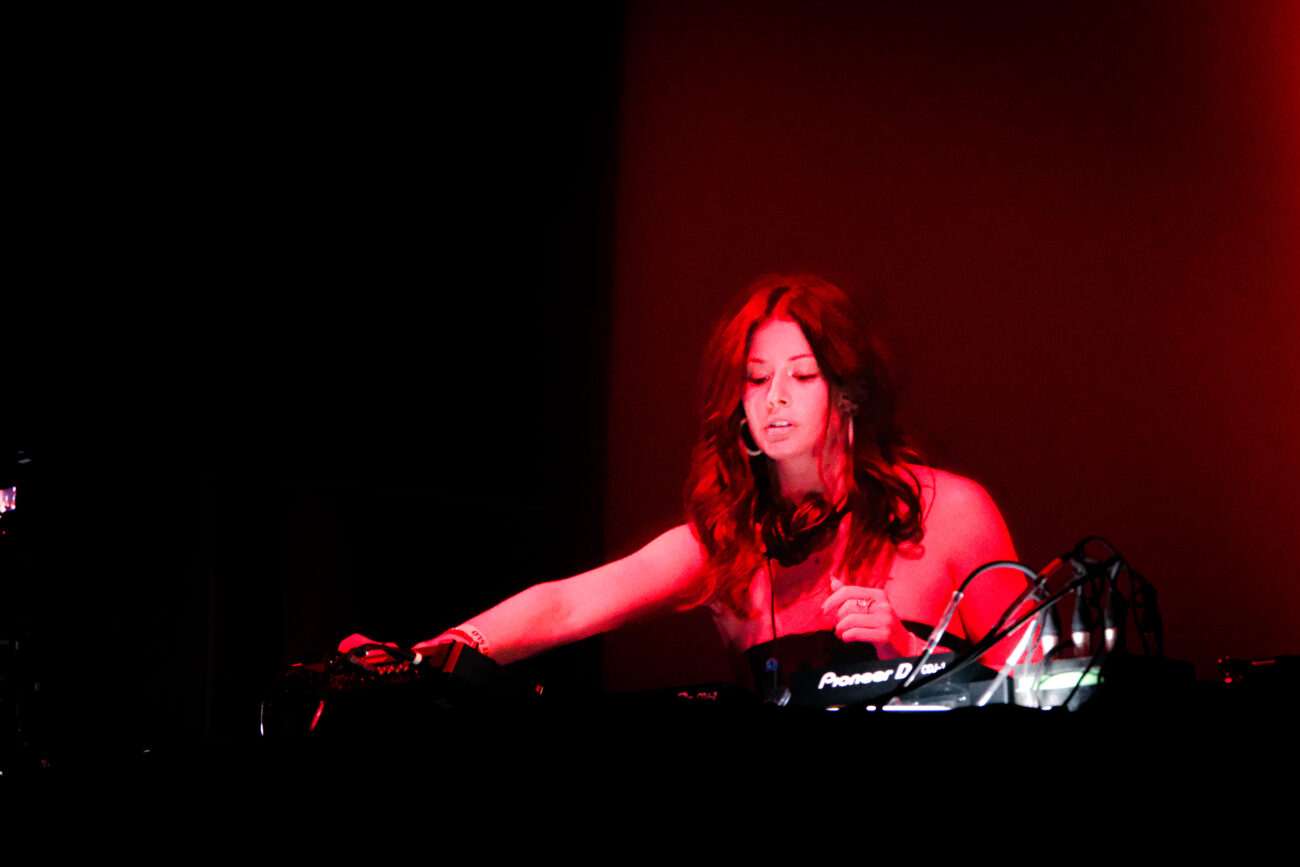
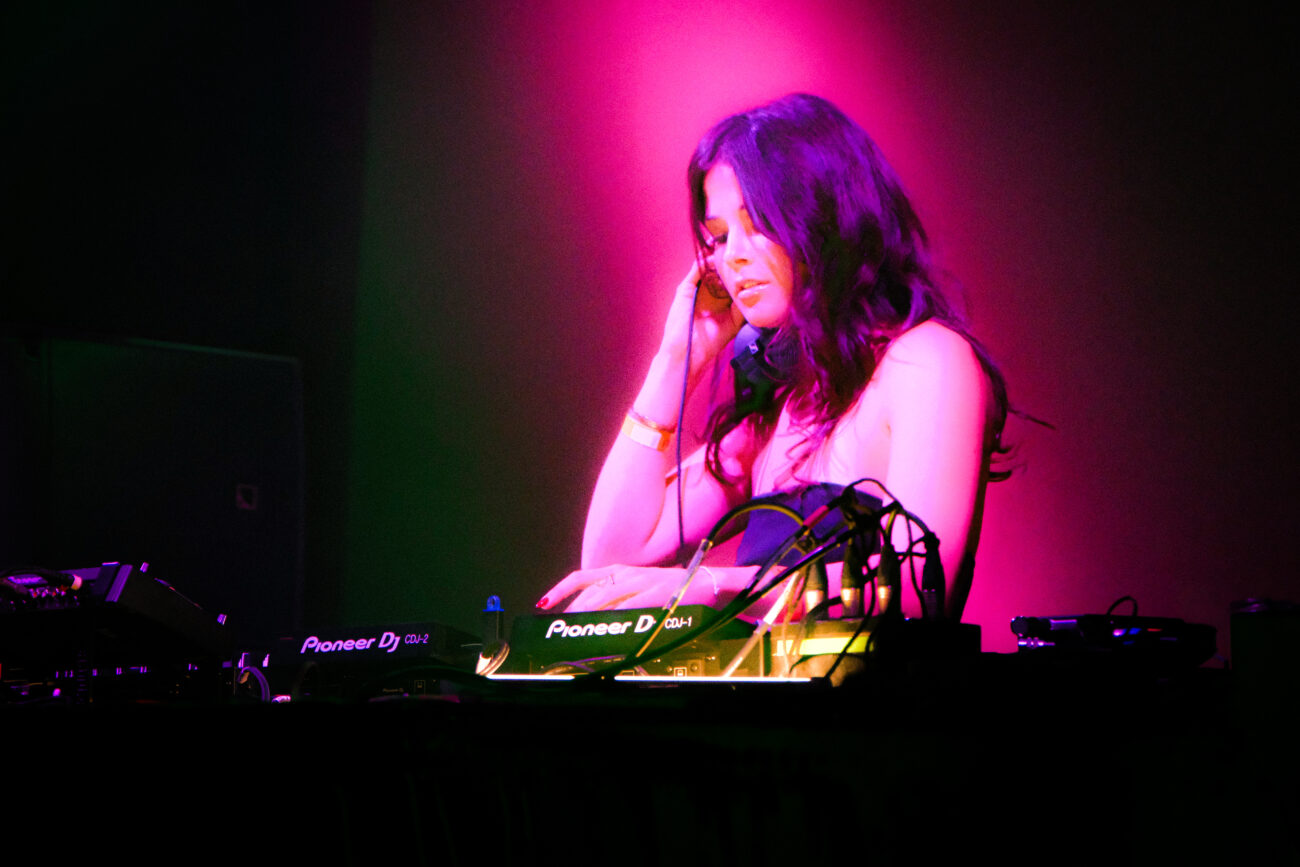
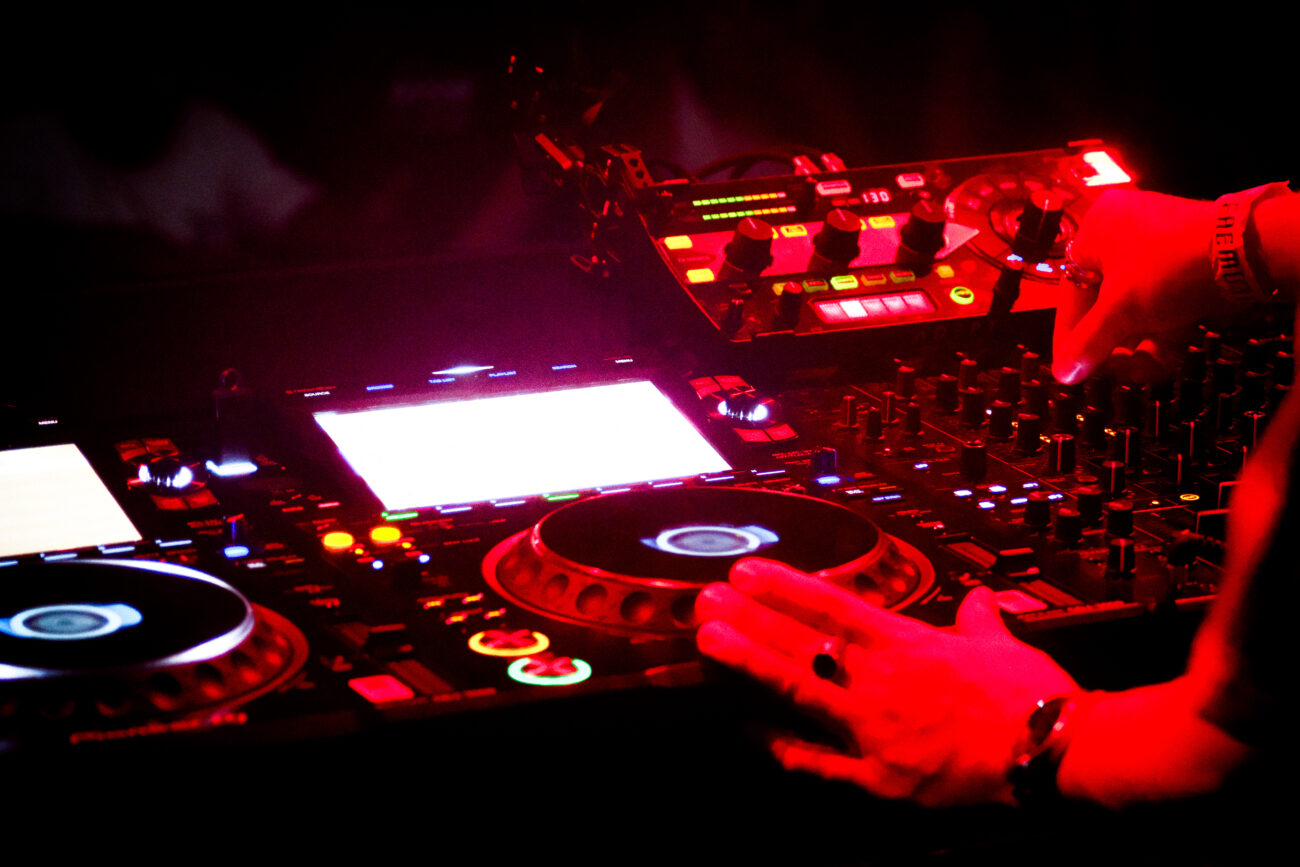
Elena Vaughn, better known as Feline, pumped the room with an inflammatory energy as she spun the turntables of the deck. Like a crazed computer hacker, her hands flew across the mix table, adjusting the EQ and bouncing between tracks. She seemed to be hypnotized by the soundwaves at her fingertips.
To me, electronic music is a vessel for the body to move as freely as it feels fit. My theory was supported by the dancing crowd members, floating in a trance with arms outstretched and swaying side to side.
Lights glared and illuminated the faces of the apparent crowd of college students. Chatting with some of them in line, it was clear that it was several attendee’s first introduction to Fremont and college life on the Central Coast. I watched the fresh meat emerge into the lion that is the San Luis Obispo music scene.
People introduced themselves to strangers, like the two students whom I ended up chatting with in line. They fidgeted with the almost empty Bud Light cans in their hands, receiving an alert look from one of the employees monitoring the line.
A girl came up to me warmly asking for a lighter; I handed mine over almost immediately. She struck up a conversation with two girls behind me, reciting the all too familiar prompts:
“What’s your major?”
“Where did you say you were from again?”
“We live in Red Bricks, but it’s fun.”
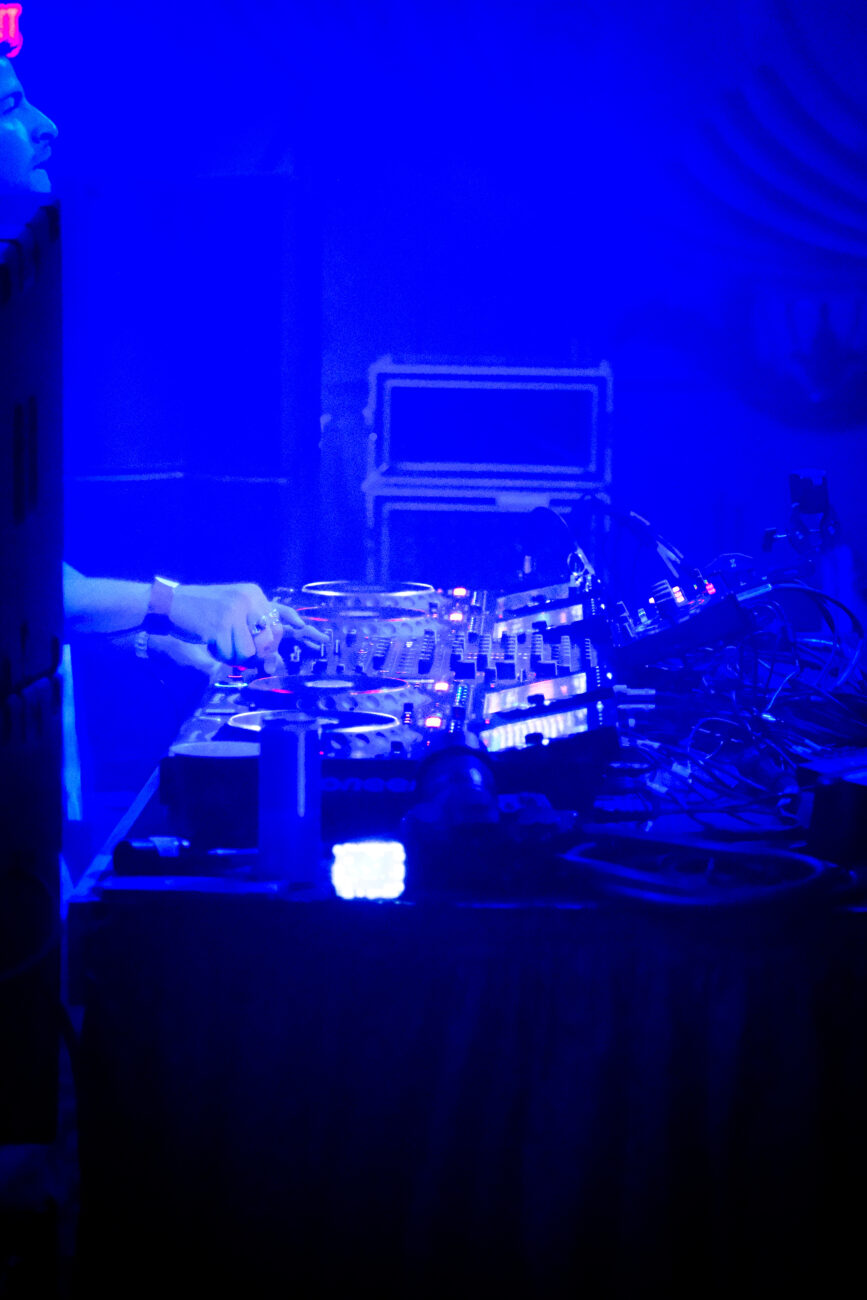
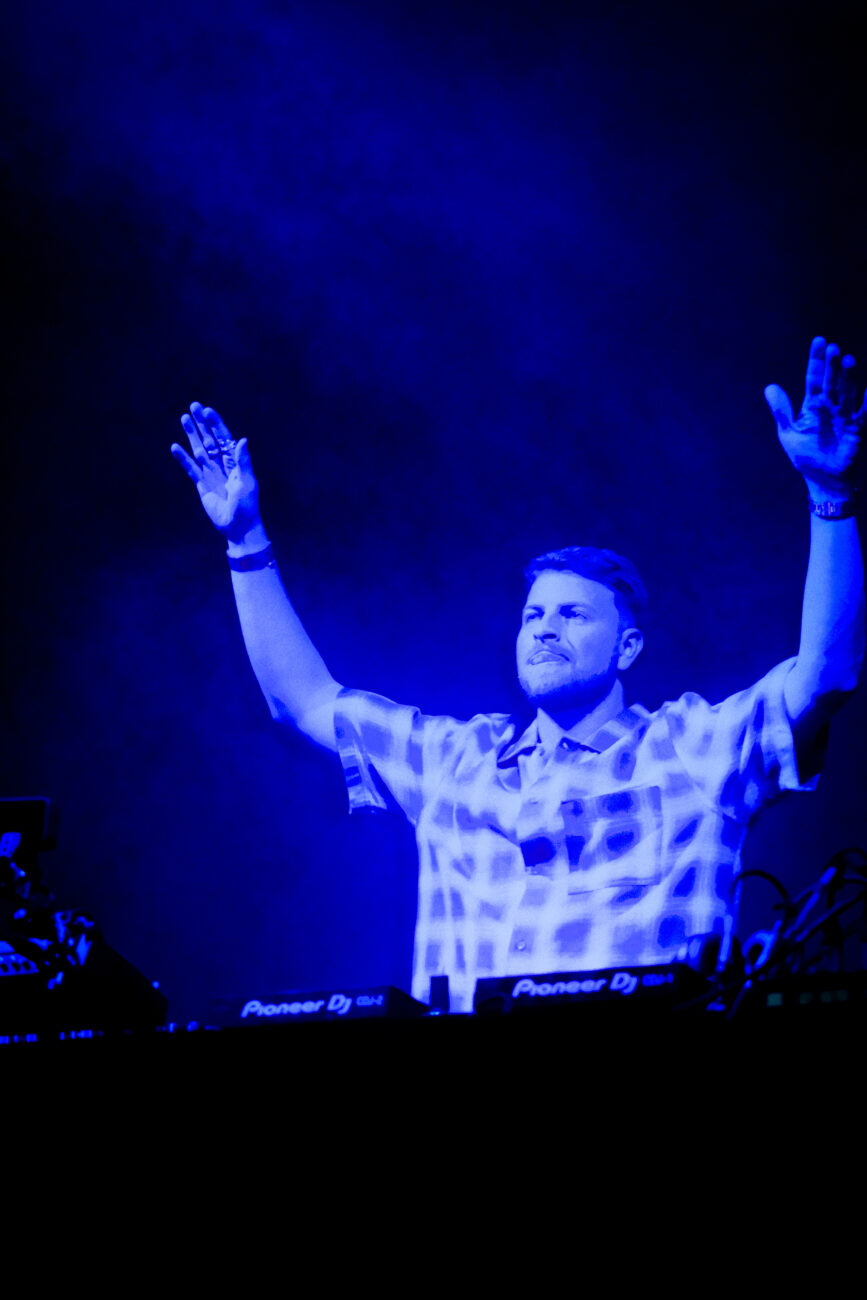
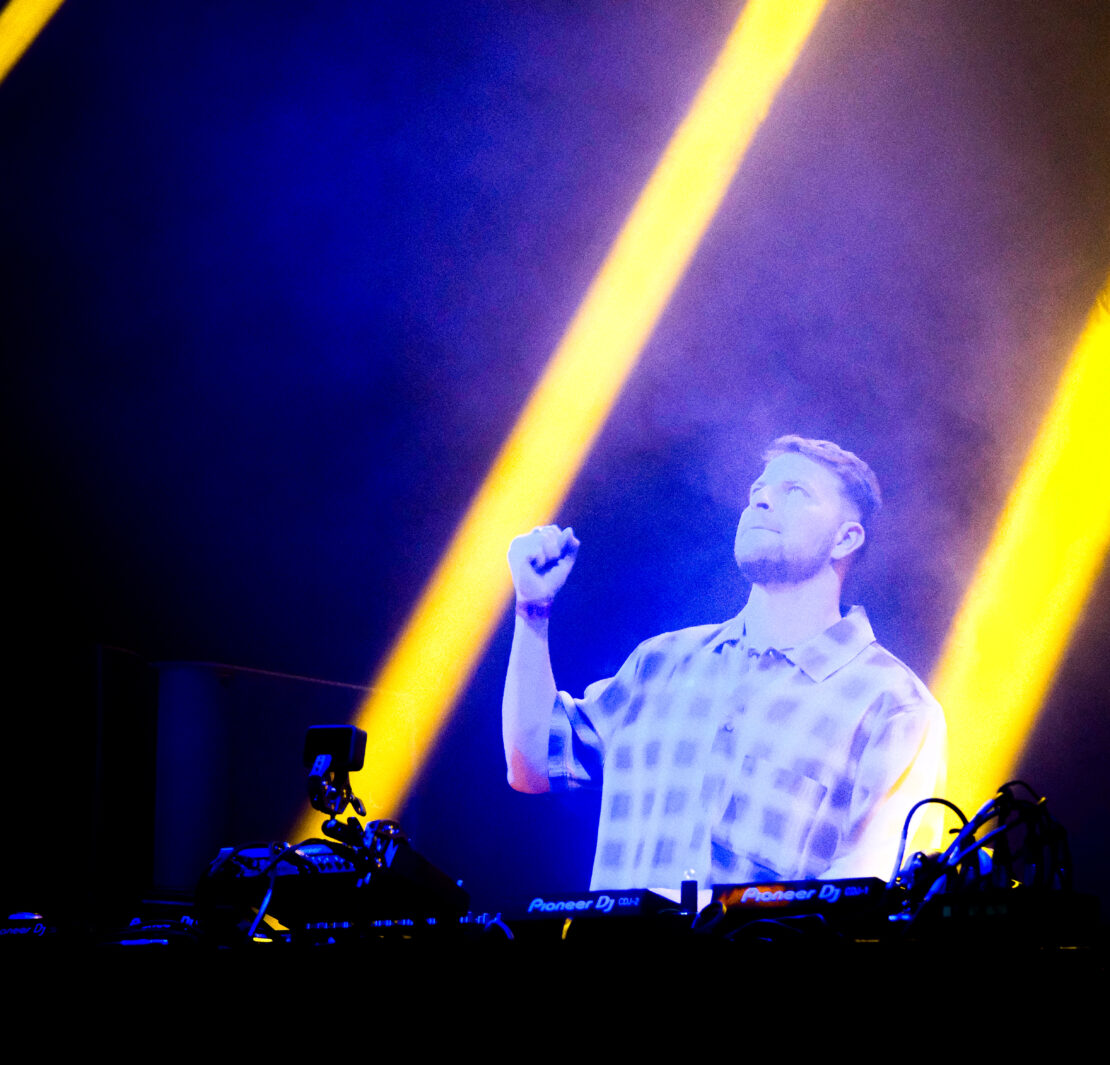
Westend came onto the stage with a seamless transition after Kamino’s set, giving the DJ a welcoming pat on the back. As my friend and I made our way to the restroom, I could hear “Push to Start” bumping through the stall walls. Diving back into the crowd, we weaved through the sea of people — it was frat flick city.
We found an air bubble within the crowd, and the rest of the night melted away. We danced, laughed, tripped over people’s shoes and brushed many elbows.
Tyler Morris, professionally known as Westend, has mastered the art of connection. Searching for community during the COVID 19 pandemic, Morris branched out and reevaluated his branding, teaching DJ lessons over Zoom. Seeing the need for support, Morris launched a Discord community to help artists connect called “Kick and Bass.”
The community has grown to over 550 DJs worldwide, with the first few members gaining personalized and individual feedback from Morris on their work.
In the wake of the pandemic, our human need for connection has become clear. People are frenzied with a need to dance and scream, which is almost always satisfied through music. The crowd may not have been big, but the itch to flow with the static pouring from Westend’s set was.
Morris’ new release with Darla Jade, “Lighter,” came out on Oct. 3, and you can keep up with all things Westend here.