
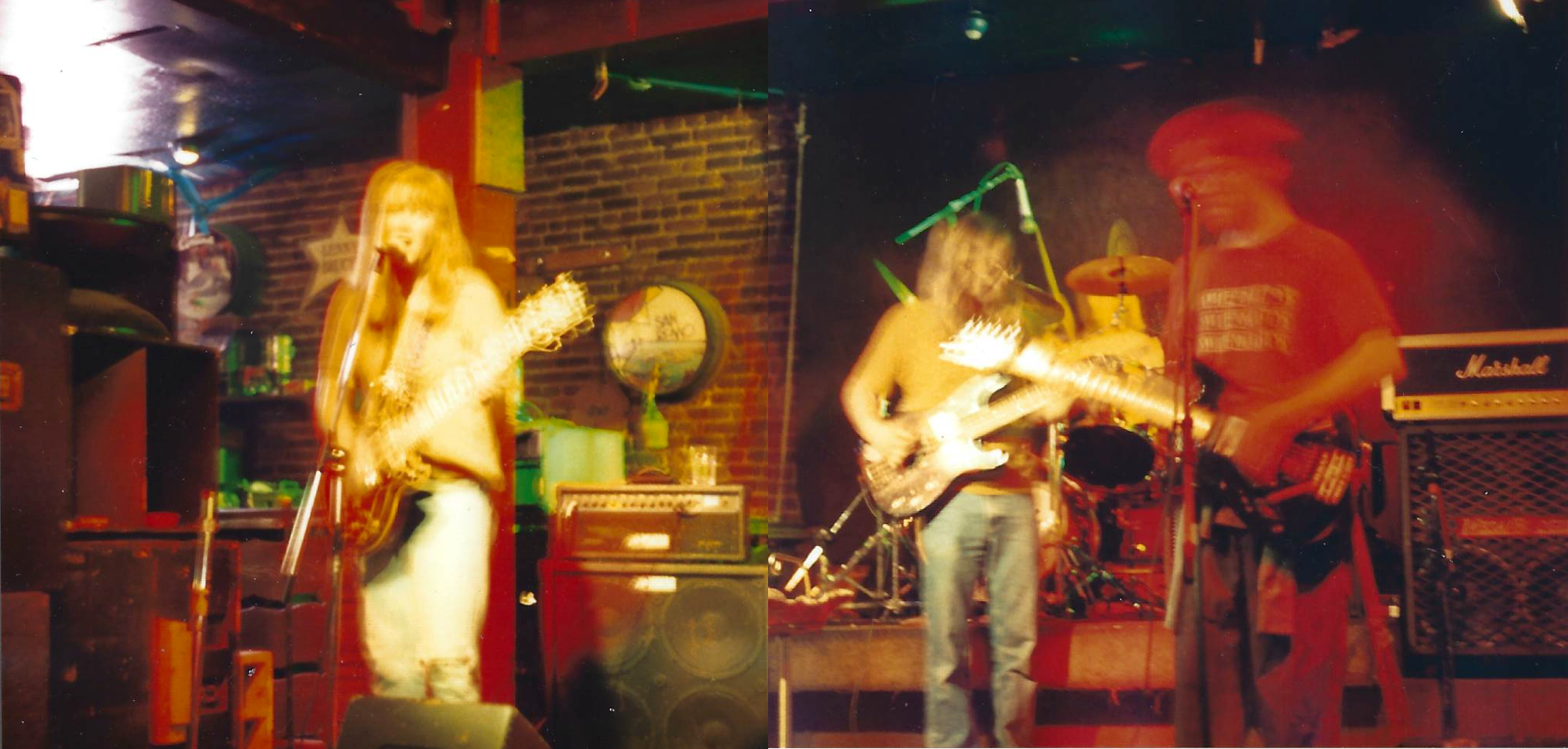
In dimly-lit garages and compact venues, before streaming algorithms dictated audience taste, live shows and hand-dubbed music demos were at the heart of some of society’s most honest and visceral music discovery. The downside to this method of shared music was that countless bands were swept under the rug, only now finding their audience and encountering overdue recognition in the current generation of listeners.
Eldritch Anisette, M.I.J. and P.E.E. are considered highly influential bands within the underground emo, indie-rock and post-hardcore scenes, emerging during the mid-to-late ‘90s – an era defined by DIY ethics, adolescence and rejection of mainstream conventions.
Emerging during a time consisting of minimal technology, youth often faced no choice but to find ways to occupy themselves -– for many that meant channeling restlessness into musical creativity. The music scene was anything but singular. As Courtney Miller of Eldritch Anisette recalled, “There were the punk kids. Indie kids. The skaters.”
Despite differing roots, each band continues to leave a lasting mark on the alternative music landscape, shaping the sounds of generations that follow.
ELDRITCH ANISETTE
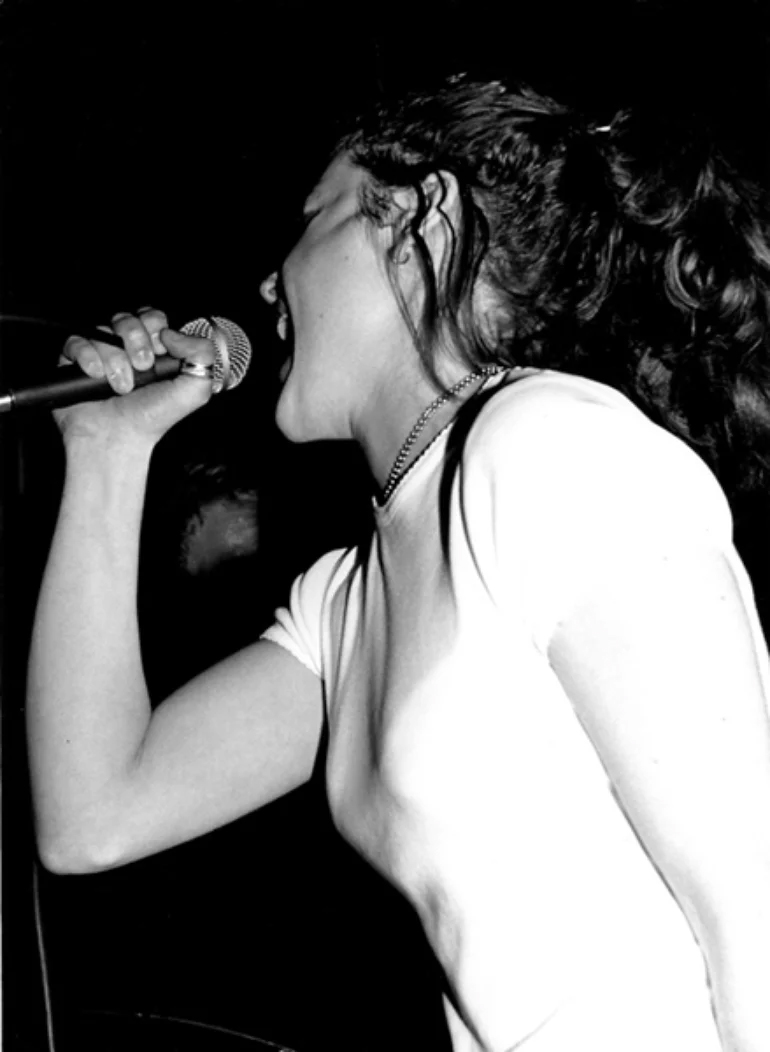
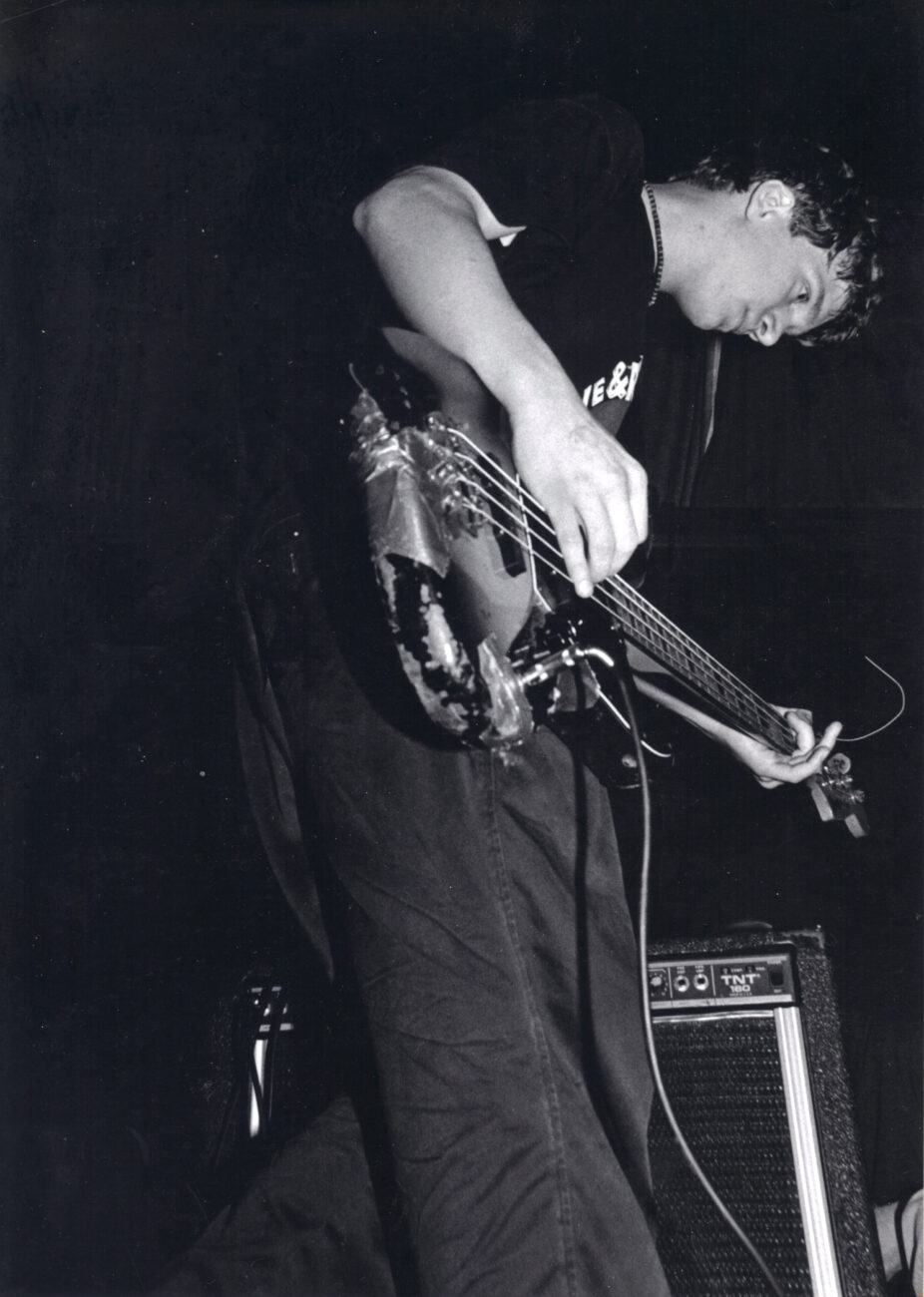
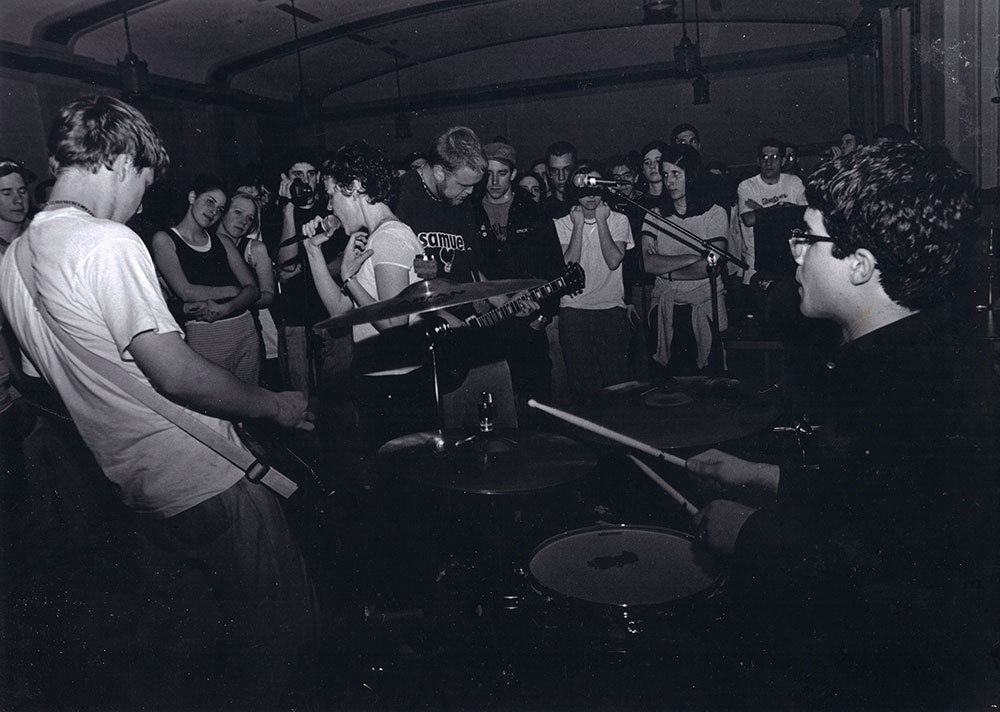
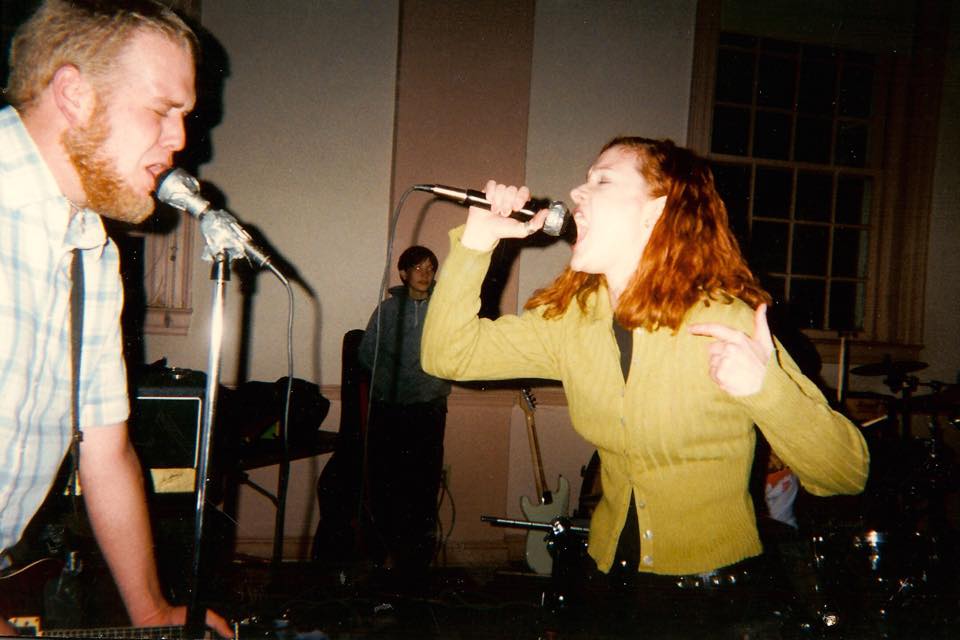
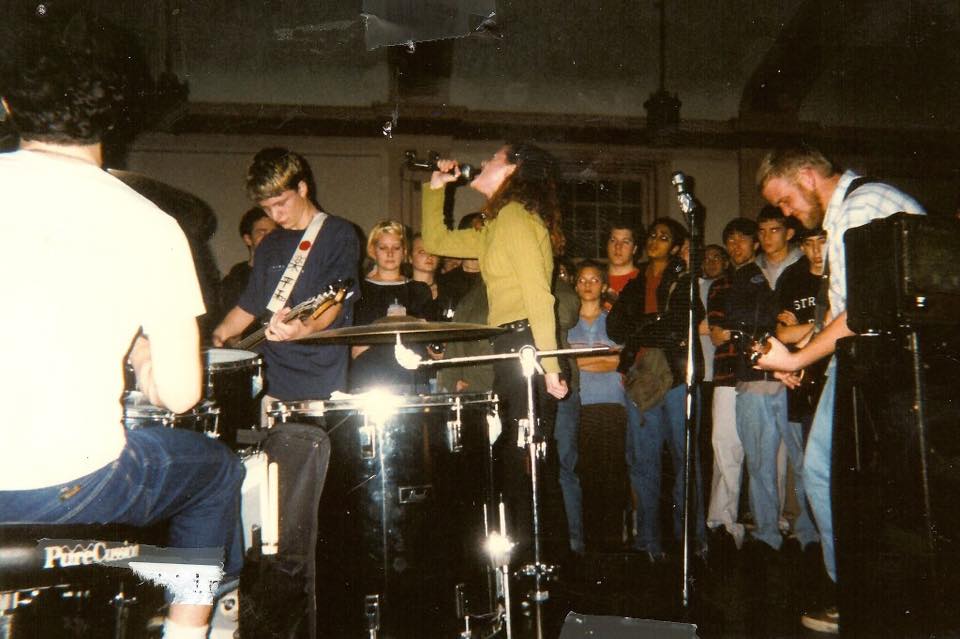
A female-fronted emo band formed in Newark, Delaware in 1996. Courtney Miller was the singer-songwriter and vocalist. Allen Hitchens played guitar and did some “off-key singing.” Marc Krupanski played bass and screamed. Their reign was short, defined by the release of their self-titled single 7’’ including demo songs – but their impact has remained prevalent.
Where did the name Eldritch Anisette originate from?
Hitchens: It was two words that I liked and smashed together. Eldritch came from reading H.P. Lovecraft. Anisette was when I was briefly working as a barista and that was one of the flavors of liquor.
Miller: I thought it came from when you looked at my French dictionary.
Hitchens: That’s possible too.
Miller: I was taking French in school. I mean in another band we picked up a book and that’s how we came up with the name.
Hitchens: I’m now almost 52 so I am an unreliable narrator.
Miller: Me too! But I do remember we were like “they sound cool together!”
Hitchens: It was like – we won’t have to worry about anyone else having this name.
Could you three paint a picture of what stepping into the Newark, Delaware emo/midwest emo scene looked like in ‘96, ‘97?
Krupanski: I was a teenager. Allen and Courtney were old. They were 52 at the time.
Miller: We were in our early twenties. The thing that’s interesting is that it was just a DIY scene. Everyone was like one group. Everybody hung out together because it was such a small scene.
Emo was just starting to be a word that was used to describe music. So, there wasn’t a specific thing going on other than a scene for the kids. Something for kids to do on the weekend that wasn’t getting into trouble. We were very socially driven as well.
Hitchens: Yeah, I think it’s important to note that Newark is a college town. So it was definitely, townies versus the college kids in a lot of ways. We were grouped together by living in an area that got a yearly influx of doubling population.
So, we would hang out on Main Street which is the main drag of the town. All the punks and metalheads and awkward kids would hang out together and, you know, try not to get into fights with the college kids.
Can you name any specific local or non-local artists that influenced your sound?
Krupanski: Yes–
Miller: That’s the answer! Yes.
Krupanski: For Courtney and Allen – I mean they’ll talk about it. Some of their inspiration I had never even heard before. In part, it reflected what Courtney was saying about the scene in Newark.
I think there were some of the spiky punk kids that hung out with each other more, hardcore kids hung out with each other more. But, the scene was all of it. It was like a conglomerate rock. I think that came up in the music.
Tim and I were 16 when the band first started.
Hitchens: Tim was the drummer.
Krupanski: Incredible drummer. He and I were in a “screamo” band, I guess is what you call it now. For me, it was really eclectic.
Allen posed a very intimidating figure to me when I was younger. He’s super cool, so I would literally and figuratively look up to him. I remember it was during one of my old band’s shows with Tim – I was wearing a Lagwagon shirt underneath an Elements of Need shirt.
I remember Allen being like, “Is that because you kids get sick of being emo, you could be pop-punk?”
I looked at him and was just like “This is just the music I like.”
I did get into a lot of bands with pop-punk elements. Garden Variety. But also, some more emo like Indian Summer. So Eldritch Anisette was kind of like a blend of those two.
It was emo-ish but bringing pop sensibility to emo.
That was a long answer.
Miller: One of the interesting things to think about, and once in a while it comes to mind, is we didn’t have the internet where you could hear or share music. Everything was either a band that comes to town or someone makes you a mixtape or you go to the record store and they let you listen to stuff or you read about them.
Music discovery was so different. The thing that really blew my mind the other day was if you went to go see a band play and they didn’t have a demo or a 7” with them, there was no way to listen.
We shared a lot of overlap because we would get together at my or someone else’s apartment and bring music to listen to together. It was like an event.
Krupanski: I remember that. It would be like, “Come over. Come listen to it.”
Miller: As far as bands, Allen and I really liked The Sundays. I loved Sunny Day Real Estate, one of my all-time favorite bands. Like Krupanski said, Indian Summer too. Slow and then explosive kind of emo.
So our band was something that melded all those things together.
Hitchens: When we lay out that family tree that led to Eldritch Anisette, I think you can kind of hear all that stuff going on — from jazz to metal to whatever.
Miller: When you’re young in the ‘90s, you need to find stuff to do. There was no internet.
What was the intention behind releasing a single EP? Was there a set message or did it gradually form from jamming sessions?
Hitchens: There’s a documentation aspect to it. Just documenting what we’ve done. There was talk about doing an LP at some point. But we fizzled out before then.
It was what you did. You would record a demo and then release it. In Newark, everyone was creating bands. When you reach a certain point – if you’re playing shows with a set of songs, you want to get them down on tape.
Miller: I think it was a natural progression for most bands. We had six songs we recorded over a weekend. Marc did all his basslines in one take.
Krupanski: Everything, one take.
Miller: I did some layering with my vocals. Recording was always super fun. It was fast-paced, we came up with some really cool ideas on the fly.
We had six songs and we chose the songs on the EP based on voting.
The EP is around 12 minutes or so, but it has left such a lasting impression. Are there any songs that didn’t make it?
Krupanski: My goodness, yes. The best songs ever. No one’s ever going to hear them. Their incredible songs.
Miller: Stop Marc!
Hitchens: Numero Group put out a 12” that has everything we recorded.
Miller: There are like three songs I can think of. Before we broke up we were writing some really, really cool s**t.
I was trying to tell them to Marc, it goes like “Dununununu!”
On the topic of the genre itself, there’s often assumptions that emo, or anything correlated to it, stems from anger or oppression to listeners that aren’t too familiar with the sound.
What were some of the emotions you were channeling when making music as Eldritch Anisette?
Hitchens: For myself, I’m a “sadboy” through and through. I’m a die-hard The Cure fan, so kind of tapping into some of that. Courtney’s amazing lyrics along with sad vibes.
Miller: I feel like I communicate best through lyrics and music; the things that I feel or observe. That’s how I wrote, it was like my own language of emotion.
It’s always been important to me to feel as if the things I was writing came from a real place. What I wanted to do was two things: One, if you feel you have so much to express, and you have to get it out or it will drive you crazy. The second is, you want to have a conversation with the people – you want your words to be able to bring a feeling to someone else.
I wanted to write things that made people feel seen and understood. It was important to me that the music we wrote brought comfort in some way.
Krupanski: This band had a lot of emotion put into it. A big part is being 16, 17 is figuring out the world. I mean, we all were and are still.
A lot of the feelings were alienation and not fitting in right, whether that’s from school to society at large. There’s also love. Love for these people: Courtney and Allen. Having that feeling of safety.
It was an emotional release – like a physical emotional release.
Eldritch Anisette will be reuniting and playing for the first time in almost 30 years at Your Renaissance festival on June 20th.
M.I.J.
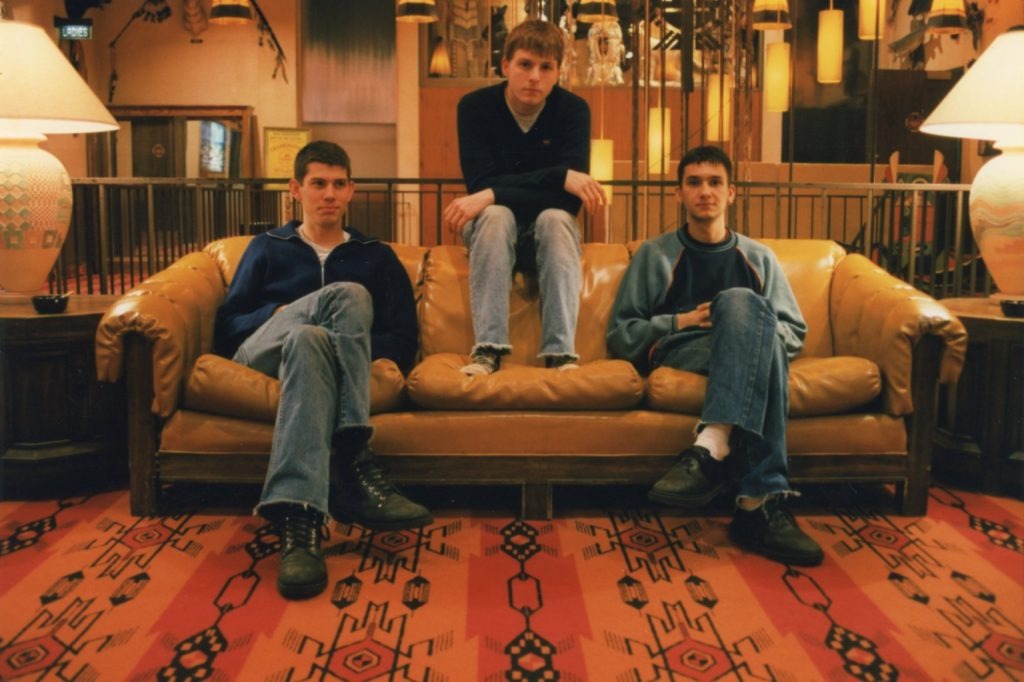
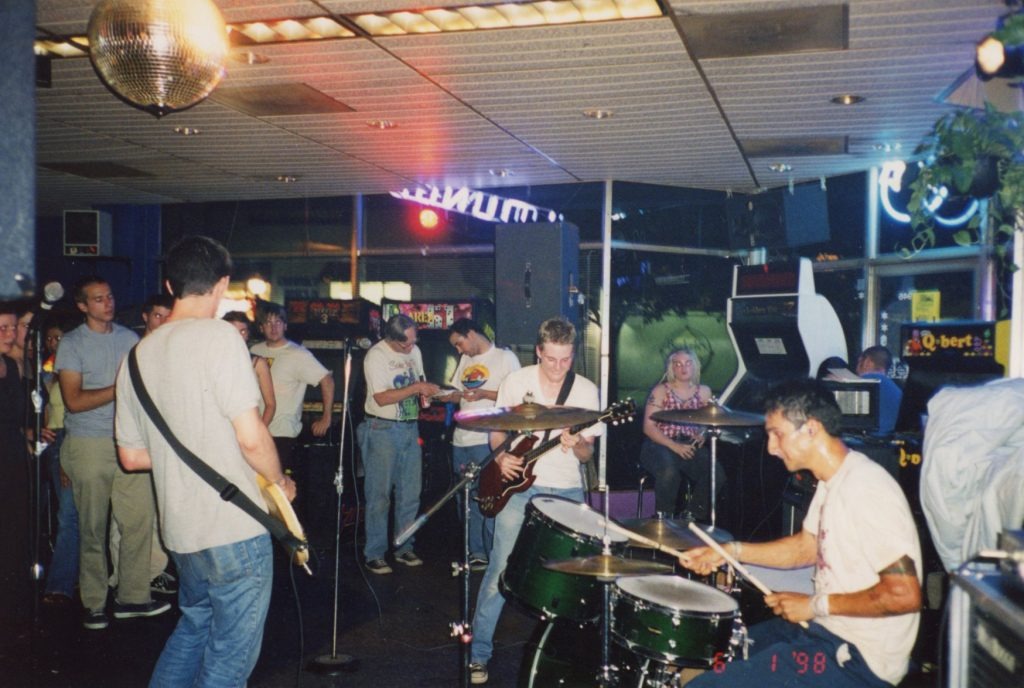
Emo, punk and grunge influences bled through the music from a young trio in Waukesha, Wisconsin during the 1990s. Jeff Hanson was the vocalist and guitarist. Ryan Scheife played bass. Mike Kennedy was on drums. Despite their young age, the band was fueled by originality and managed to cultivate a sound that resonated beyond Waukesha.
What does M.I.J. stand for and how did you land on the name?
Scheife: We were young and going through some dumb names. Not that M.I.J. didn’t turn out to be a dumb name – but one of us was playing a guitar that was unbranded. On the back it said “M.I.J.,” we presumed it meant made in Japan.
We’re definitely not made in Japan, it’s just been M.I.J.
What label/genre did you and fellow members consider your sound to fall under?
Scheife: I think midwest emo with some punk rock in there. If you listen to some of our older stuff, it’s definitely heavier like punk-rock. That was in the early ‘90s, before we knew what was kind of happening out in the Seattle, the D.C. area and Chicago.
At the time, we had Sunny Day Real Estate do some cool stuff, a lot of cool emo bands in Chicago created some music. We started to really define our sound in the mid-to-late ‘90s.
It’s definitely more mid-west, if we had to subcategorize it. I think the midwest emo bands had a different feel. Maybe more pop-like.
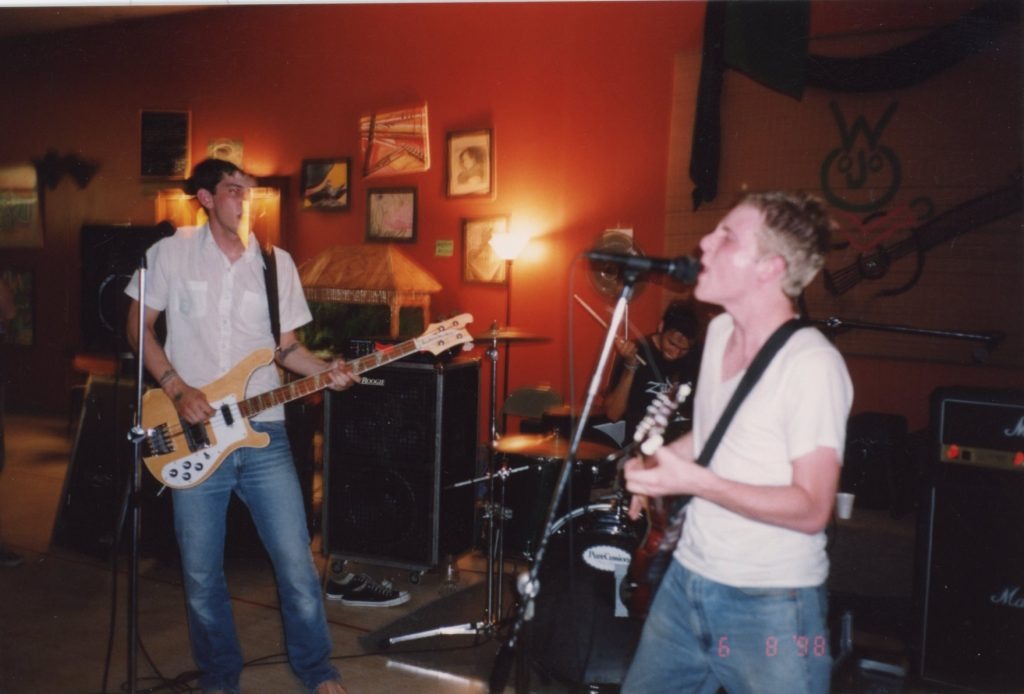
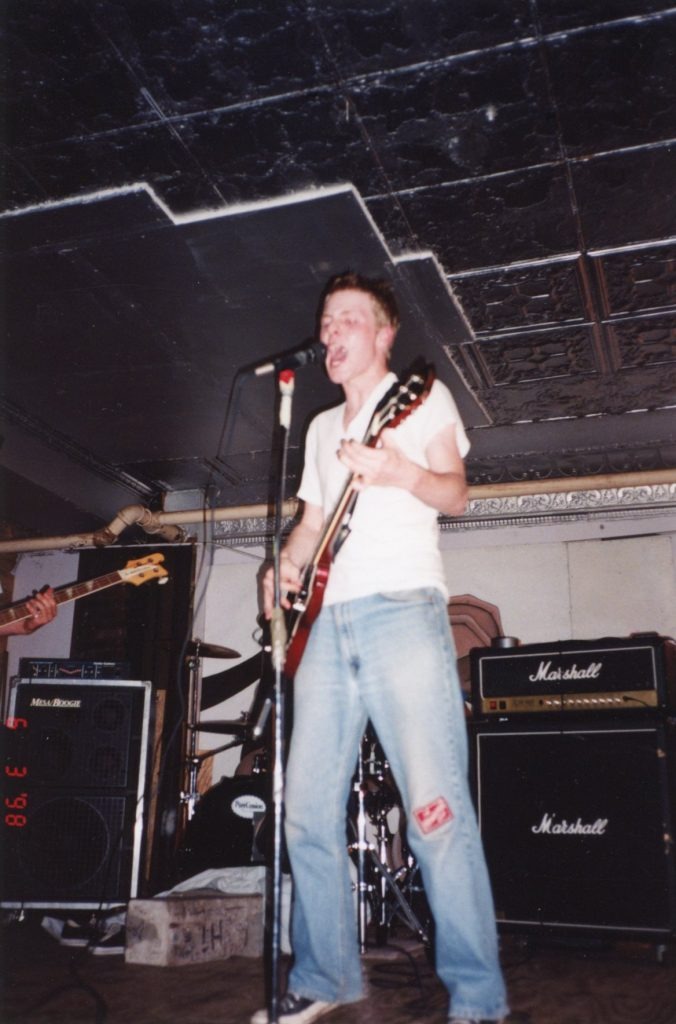
Jeff was around 13, and both you and Mike were slightly older. What was it like to be a part of the emo-breakthrough scene at such young ages in Waukesha County?
Scheife: We were playing garage shows, people’s basements to start out in that area around our high school.
I remember our first show in Madison. I remember it specifically because we were with legit punk-rockers. I thought it was very intimidating. We were these little guys that couldn’t drive ourselves there yet.
When we started branching out with all these other bands with bigger sounds, we started to get really inspired and found some sounds while playing with these bands.
All those bands enveloped that sound from the Midwest that I think was really unique and cool.
Would you say the local scene was highly influential, in terms of sound, throughout the evolution of your discography?
Scheife: Yeah, it has to. You play with so many of the same bands. Your reach was what you could find at the record store or tune in on college station. You relied a lot on the bands you would see and the shows you would play with them. Once in a while, a bigger band would come by.
Our first tour was the summer of ‘95. Our parents had just bought us a van and we would be gone for a few weeks. It was great, I don’t know how the hell we did that logistically.
We tried. We did focus a lot on Midwest shows.
“The Radio Goodnight” is a fairly prominent album from you guys. Could you walk me through the recording process?
Scheife: I’ve just sort of started re-listening to our stuff in the past six to 12 months. I’m really impressed with the record. I think it had a kind of maturity you can hear coming out from our EPs.
The writing process had always been super collaborative. Jeff was definitely the spearhead of getting songs developed and ready to bring to Mike and myself. We would sit and practice for hours.
“How does this play? Let’s rework it.”
We would each write our own parts and try to define the songs on the record.
How would you say the relationship amongst the three of you developed along with the growth of the band’s career?
Scheife: We were as tight as can be. Our friendship was as awesome and volatile as you could imagine. We loved each other.
You have that bond with friends at such a young age – it’s there forever.
M.I.J. had just run its course. Sometime after “The Radio Goodnight” I got married and was moving out of the band house. Things just kind of split up. There was nothing fantastic or chaotic about it.
I remember being on a phone call and being like, “I think this is done guys.”
But, we were just in our own world.

P.E.E.
Bay Area grind pop pulsed through the music of Potentially Egregious Error, active beginning in 1993. Kelly Green was the singer-songwriter and guitarist. Jim Stanley was a fellow singer-songwriter and guitarist. Andee Connor played drums and sang — when the spirit moved him. Tiber Scheer played bass. Their sound was rooted by the surrounding energy of the San Francisco scene and recently reunited since 2010 at the 2026 Noise Pop Festival.
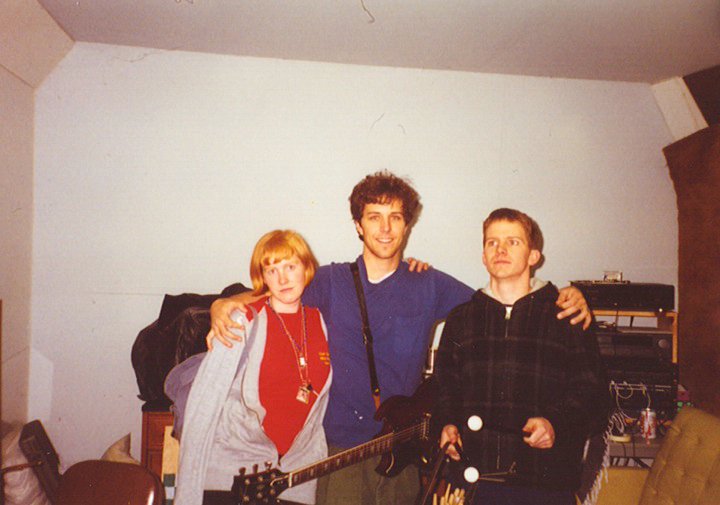
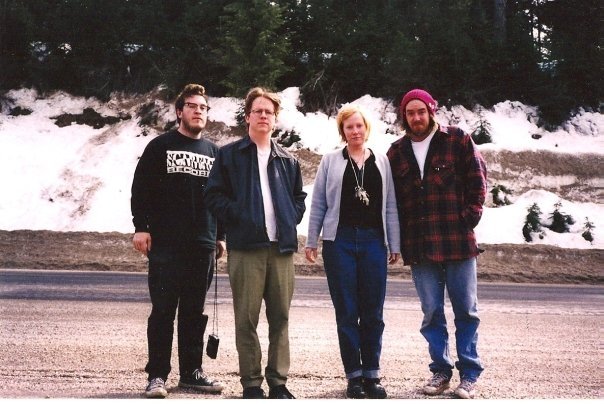
What’s the backstory as to how you all found each other and agreed to start P.E.E?
Stanley: Connor and I used to live in San Diego and were part of the music scene down there in the late ‘80s, early ‘90s. We knew of each other. We both moved up to San Francisco independently around the same time.
I knew Green from the band I had been in in San Diego. So when I moved to San Francisco, she was one of the few people I knew besides family.
I went to see her band play and she mentioned her interest in doing something else. She was in a couple different bands. As kids do, we just started playing music together and that quickly became a band.
We came up with four, five, six, seven songs and were set to play a show and needed to name the band for the show. That was the moment the name was born.
P.E.E. stands for Potentially Egregious Error. What’s the context behind that?
Stanley: The name came to me in 1993 with Green – we were throwing around names. We had a show and I suggested it and she said, “yeah!” It just stuck at that point.
Connor: It did seem like the way for almost every band I know from that era– started playing, had a show and then the booker was like “what’s your band name?”
We would have to think of a name.
Honestly it didn’t stand for anything at the beginning. We have this protracted love-hate relationship with the name. At some point in the latter area we were like “What do we do?” So, it was my idea to add periods to make it seem like it stood for something.
We actually changed the name to something else entirely.
Stanley: We did two shows under Miracle Research Center Staff.
Connor: Which is a great mouthful. But, we stayed as P.E.E. and whatever it stood for kept changing. Everyone tried to think of something clever. Then we came up with Potentially Egregious Error.
Stanley: I found an old interview of ours that we did for some zine. Someone asked us what it stood for. Connor said Potentially Egregious Error.
Connor: Did I really?
Stanley: And it stuck. Friends and fans kind of forced us to go back to the name P.E.E.
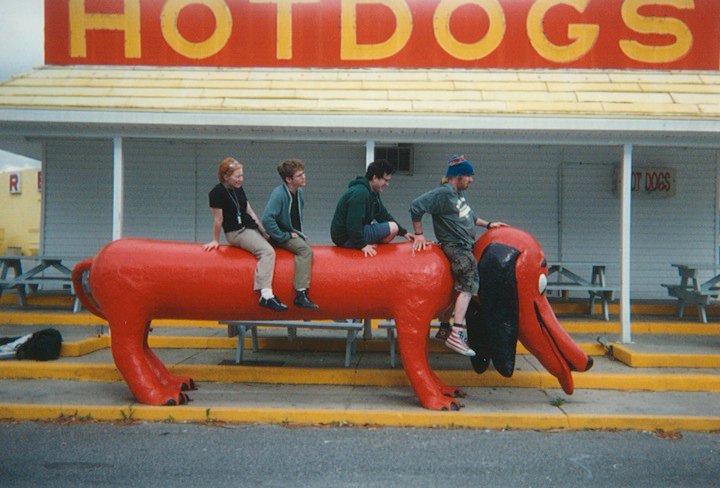
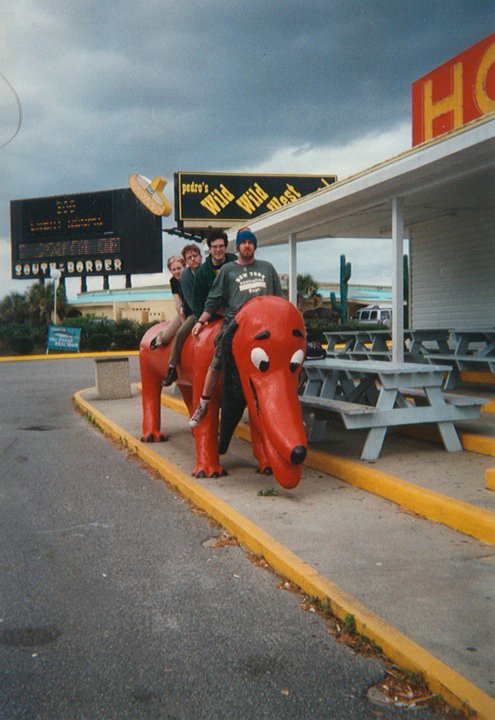
Some fans have identified your music as a fusion between math-rock and midwest emo. Where do you see yourselves amongst those labels?
Green: Midwest emo didn’t really exist when we started. Although, listening to midwest emo now I can definitely hear us in there.
Connor: I do think the midwest emo thing was more a matter of timing and circumstance. When we were playing and touring there was less adherence to genre back then. I think sonically maybe a little bit, but I think the timing and scene at the time is how we ended up lumped in there.
We don’t sound like old or new emo. I always thought we were a noisy, pop band which is why we came up with “grind-pop.” We were like a pop band but the songs were like 30 seconds to a minute long with grind-core.
Stanley: The sound and style of music was really a collaboration. It wasn’t a premeditated, “let’s be like this” mindset. The sound is a by-product of us figuring out what we like, together.
Connor: I think cool bands are cool because everybody has really unique, cool ideas. People, especially in this band, were very willing to bend to other peoples’ will which was a pretty big deal.
Stanley came in with almost finished songs and by the time they were fully finished with us, they would sound completely different– more like P.E.E.
So Stanley would come in with a song almost fully finished, did that often include lyrics as well? Or was that more of a collaborative process between the three of you?
Stanley: It was collaborative, but one of the things I love about this band is that no one tells anyone what to do. I would do my lyric-writing and Green would do hers, and we would kind of just mash them up.
Sometimes that would lead to more “interesting” meaning in a song.
Green: Sometimes it led to more chaos. Sort of beautiful chaos. It’s one of the things I really love about P.E.E. — how organic the song-writing and lyric-writing is, and how unexpected it was when our lyrics dovetailed.
Connor: For a person who doesn’t have anything to do with the lyrics, I found the harmonies really awesome. They are super unlikely. Both Stanley and Green liked their parts so much they were like “screw it, we’re gonna make this work together even if it kills us.”
Green: Totally.
Connor: That’s what made the lyrics so weird and interesting.
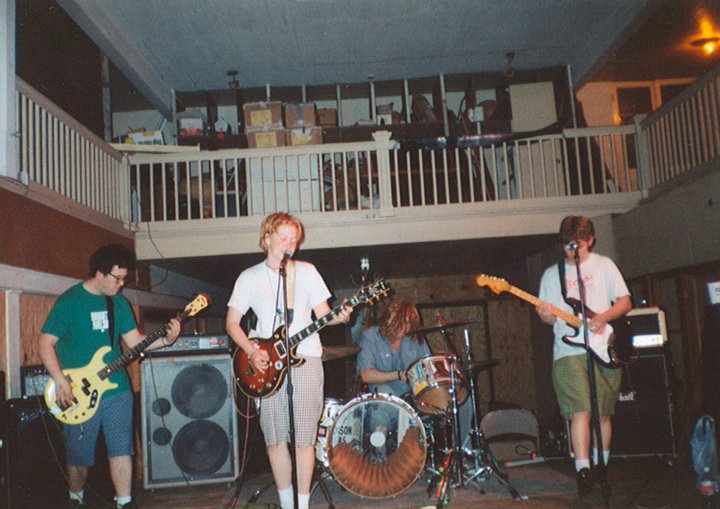
Transitioning into your first album, “Now, More Charm And More Tender,” a majority of the songs are compact with most being only a minute or two long. Was that brevity intentional?
Stanley: With that collaboration we mentioned – it started getting shorter. Connor and I would have a similar idea and be like, “that part is rad, we should do it more,” but the other would be like, “no we’re only going to do it once.”
Connor: I was a really big fan of an incredible, catchy hook and when a song’s over you’re like “they only played that once!” There’s something really satisfying about that.
Obviously, we had some longer songs. But I love the weird verse, chorus, out. Someone once described P.E.E. as all the bridges from your favorite pop songs strung together into a song, I really love that description.
Stanley: I think what we were doing was really distinctive to what other bands in the scene were doing.
There was a two-year gap between the release of the first album and “The Roaring Mechanism.” What changed in the making between those two albums?
Connor: The songs on the second record are way harder and complicated. Re-learning them, there’s so many weird parts. But, I think it’s a natural band thing. You sort of get more ambitious and do more things.
Stanley: We were pushing ourselves to always do something a little different.
Connor: There’s still a lot of instances of super-weirdness which I appreciate.
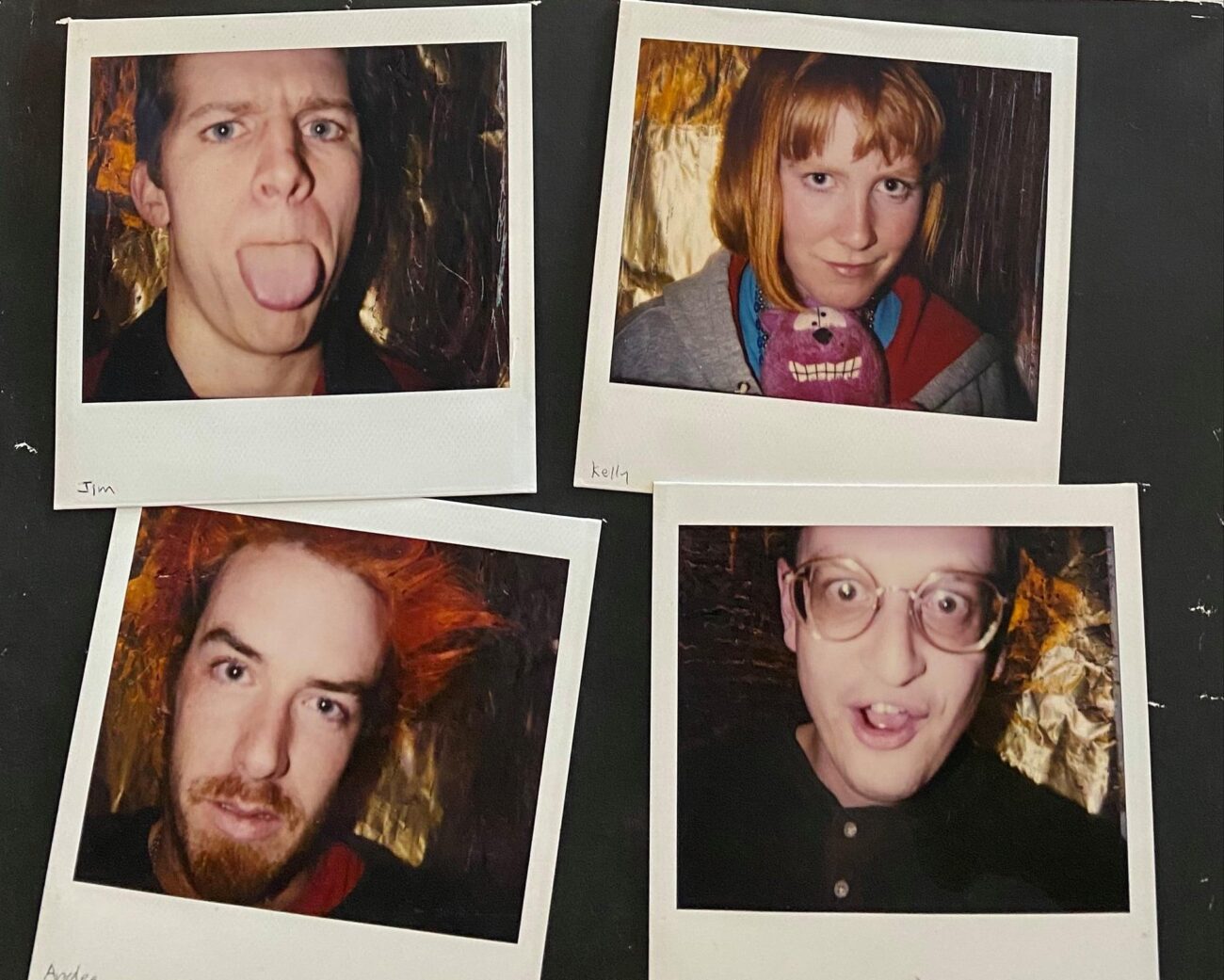
“Now, More Charm And More Tender” has reached its 30th anniversary. How has it been to revisit that record for the four of you and seeing its impact on this new generation of listeners?
Green: Yes! It just had its birthday a couple days ago.
For me, it’s been incredibly gratifying and mind-blowing. There were a lot of years when it was hard for me to listen to our music. I would listen with a critical ear and could hear all the things that were wrong with it, and I got in my own head about it.
Now, when I revisit that album I have pure enjoyment for it. I can understand why people like it, which is a big deal for someone who gets in their own head about it.
When I was young, and still to this day, music was everything. It was always there for me, like a steady partner. Playing that first show we did, I could see that in other people.
I could see myself reflected in this new generation, not to get too cheesy about it. It was really moving.
Stanley: I agree, it’s super fun. It helps me celebrate it too. We’ve had three decades of life and it’s super fun to revisit it.
One thing I noticed was how much joy there is from the kids. I was trying to remember in the ‘90s– people would enjoy the show but everyone was jaded. Even if it was a great show, people would stand ten feet back, arms crossed and kind of nodding.
No one was bouncing around and singing along.
Connor: I was always really grateful and proud of what we did. I think my whole life I’ve been a maker of “unpopular” music. I recognize the limited appeal of what I like and what I like to make.
I never thought I would experience what we’re experiencing now – to see people half my age turn into a little version of me and be just as weird and obsessed with music.
Green: Being up on stage now, the energy that comes toward us is so palpable. It’s made it so fun to play for a crowd that is throwing energy at you, and you’re just catching and internalizing it.
I felt electric.

